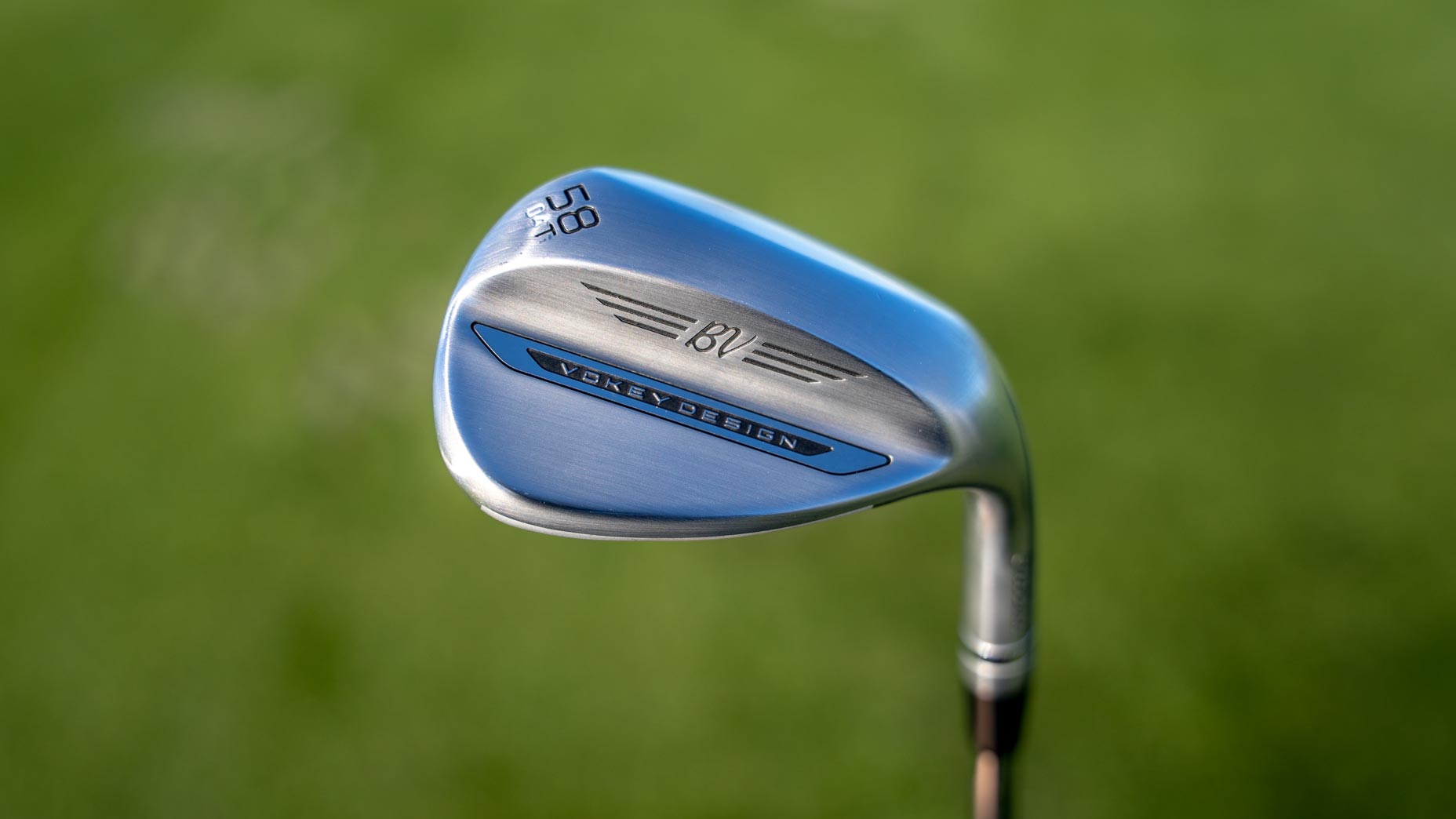

Aaron Dill and I have been friends since my days at GolfWRX.com, and the friendship continued even when I worked for one of his competitors. He’s one of — if not the — hardest working men on any truck, and the sheer volume of Vokey wedges makes that statement irrefutable.
In my opinion, given how good the Vokey platform is, the Tour dominance is pretty evenly split between product and Aaron. To watch him help his players and, in the same breath, hand them a tool with precision and variety makes it almost impossible for any wedge program to keep up.
On any given week on the PGA Tour, there are 250-plus Vokey wedges in play.
Five of the top 10 players in the Official World Golf Rankings are Vokey users. Eight of the top twenty have Vokey wedges in the bag. It’s no secret that Vokey wedges have absolutely dominated the wedge market since their introduction to the PGA Tour in 1997 (Andy Bean was the first in Memphis) and have been No. 1 since 2004. That’s 21 years and counting at the top spot, and with SM11 hitting the shelves, that number will undoubtedly grow to 22.
How the PGA Tour’s favorite grind shaped Titleist’s Vokey SM11 wedges
That’s not to say that the competition isn’t stiff. Callaway, TaylorMade, Cleveland, PXG, Cobra and Ping have all risen to an elite level in the wedge department. For the consumer, I can’t think of a time when finding the perfect wedge setup for your game has been easier. Would I say everyone is a 10/10? Yes.
In a market full of Alphas, Vokey would be considered the Lion. Twenty-one years of doing it at peak levels, technology with recon delivered from one of the GOATs in Mr. Vokey, his Luke Skywalker in Aaron Dill and every Jedi apprentice on the way up. All this crew does is wedges, and it creates a very steep hill to climb for any contenders.
If you had a chance to watch the initial SM11 fitting video I did with Aaron, it was a master class in fitting for two specific reasons.
First of all, Aaron fits a set of tools, not a set of wedges. And secondly, the strike dictates everything.
Let’s take a look at what that means.
When I say the word tool, I mean it just like that. From 135 yards out until the time I grab my putter, I am allowed four tools to navigate that space. I need proper turf interaction for full shots, something that controls spin, something I can flight, and most importantly, a tool that I can consistently live in the magic spot on the face, which is grooves two through five.
In the past, I didn’t pay much attention to the latter. At times, I got lucky and stumbled onto maybe one wedge that satisfied all that. But in a nutshell, like everything else in my bag, it was a game of hit and hope.
This is why I think fitting is the key component to any of these 2026 products. From driver to putter, with every company operating at God-like levels, it’s essential that you get with a fitter to find that magic.
Aaron’s initial fitting landed me on a setup that checked off all the boxes. The second time around was to ensure that his work harmonized with my “feel player” technique, and I must say it was perfect.
Most notably, the SM11 tech story that centered around CG consistency across all lofts was spot on. The 54/58 came down in launch by two degrees with an uptick in spin of about 400-500 RPMs. Why? I was fitted into a set that not only jived with my short game and gapping needs but also had me owning (not leasing) grooves 2-5 across the set. Giving the player a wedge that ensures that kind of contact is massive. Especially a player like me who relies on strong wedge play to survive. Weirdly, it almost feels like I found a driver that’s 15 yards longer.
To be fair to the competition, this product quality exists across many OEMs. The pursuit of that magic CG placement in harmony with the grind has been a North Star for the entire industry. But in my opinion, it started with the Vokey T grind. That specific wedge and its low-spin, flight characteristic were so noticeable that you’d see it in countless bags on Tour (staff and non-staff), whether it was the right wedge for that player or not. Basically, the flight was so good that you would see players adapting to the wedge to play it rather than the other way around.
One of the foundations of any Vokey launch is the sheer volume of grind options: F, S, K, T, D, M. There are 27 total options for the consumer. Not to mention K*, L, V, A+, MA+ and a few more out on Tour. Another thing that keeps Vokey at the top of the bill out on Tour is that they literally have an already manufactured wedge for anybody. Can other OEM Tour reps grind a wedge to add that level of variety? Yes, but it’s hard to replicate wedge to wedge.
The most important thing in this exercise was understanding the marriage between loft, grind and bounce. In many cases, consumers will choose wedges based on a bounce number, with little regard for where the bounce is or how it aligns with the rest of the tool. For example, I tend to lean on “lower bounce” platforms because I’m a feel player with good hands, and my delivery changes from day to day. The problem I was having was that the L-G-B union was never really in harmony. I might get lucky and find two of the three, but I never really landed on a wedge that checked off all three. The ultimate truth teller here is the strike point. When L, G and B are running in the same direction, grooves 2-5 become the star of the show.
If you can find a wedge setup that consistently gets you out of that part of the face, regardless of your delivery, you are in that happy place Aaron always talks about.
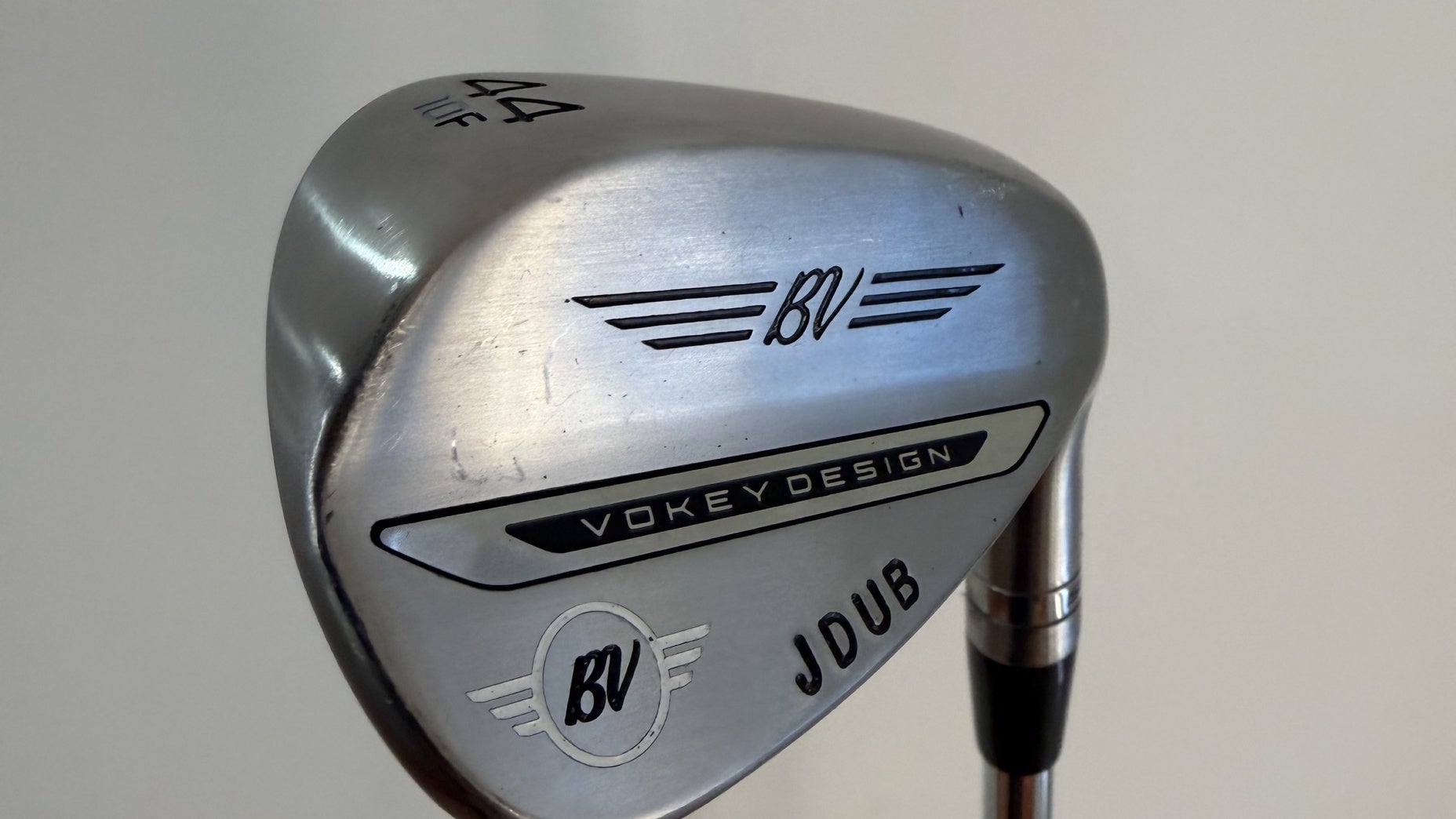
This is the setup I landed on, and they are in the bag as we head into my first big event of the season in less than a month.
View Product
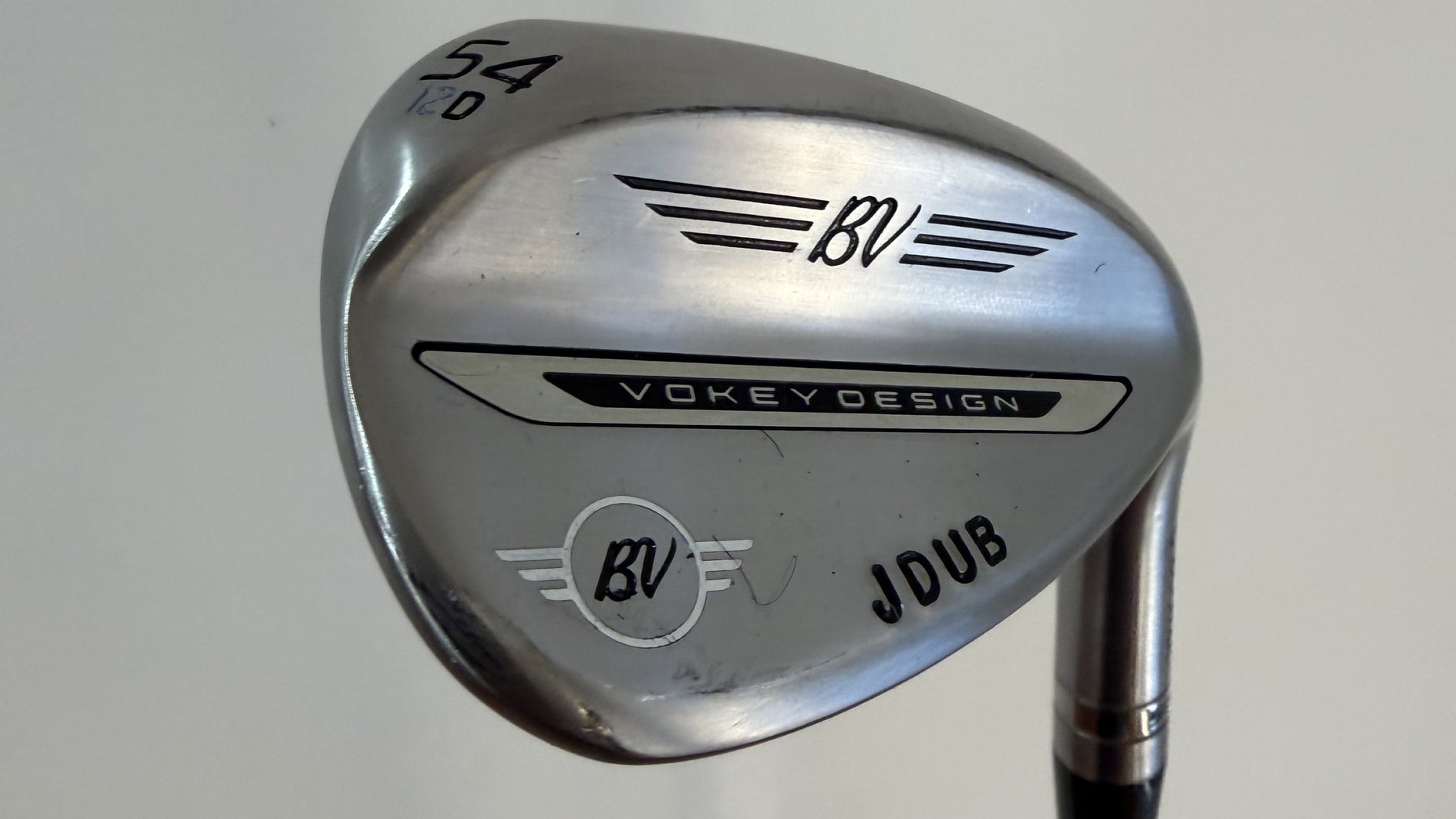
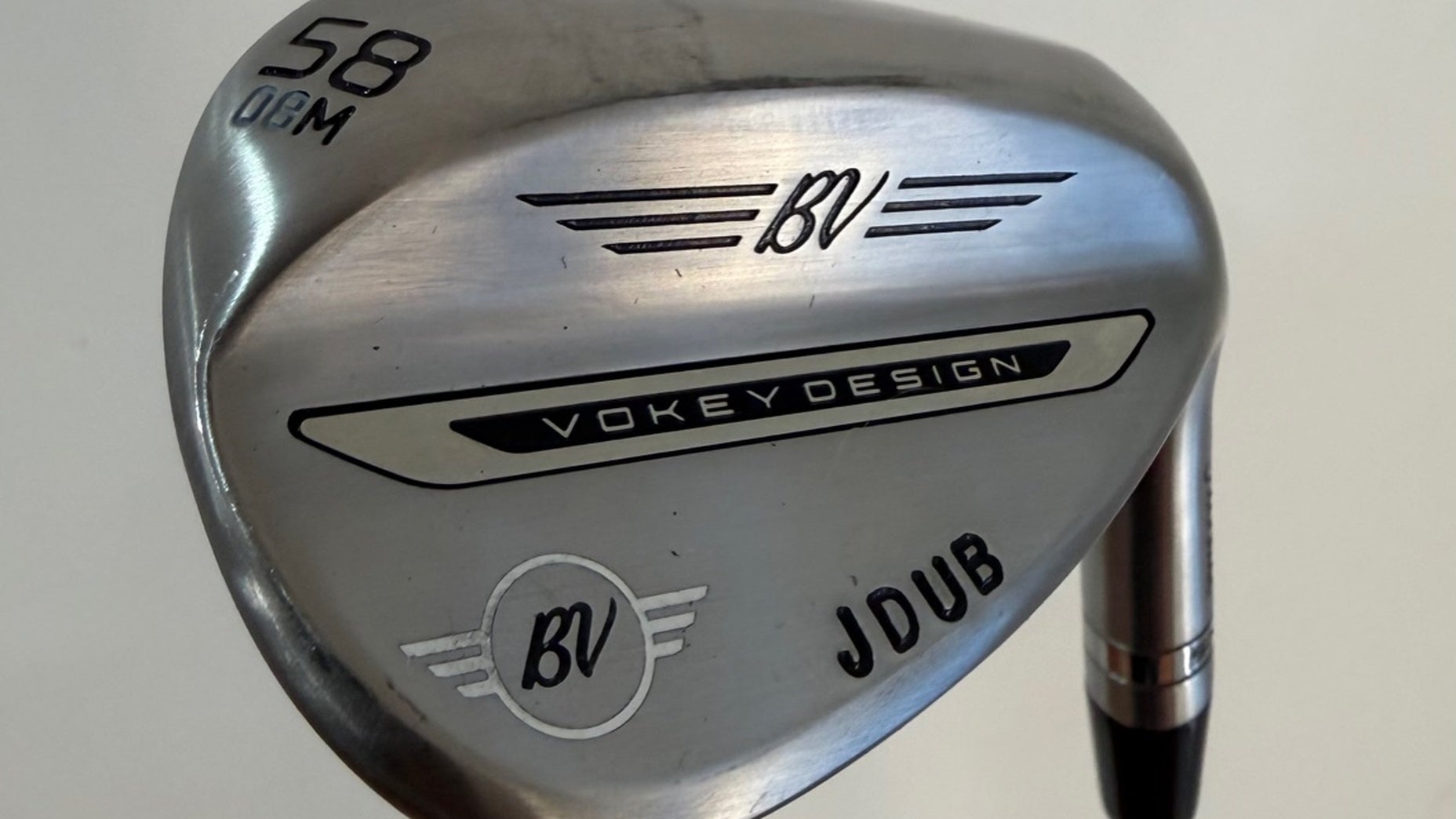
The follow-up verified everything the fitting set out to do. My gapping was in perfect 13-yard buckets. I had options around the green with the 54 and 58, and most importantly, I have confidence.
If this isn’t a testimonial to go and get fit, I don’t know what it is. If you’re following along with the Fully Fit 2026 journey, you’ll gain a true understanding not only of how important fitting is, but also of how elite every OEM is at making golf clubs this year. In all honesty, I have never had so much trouble picking a set of sticks. If the ones I picked were 9.8/10, the ones I didn’t were 9.79/10.
In this instance, it was the combo of the product and my friend that got me over the line. He’s just remarkable at what he does, and it’s not a fluke that the best in the world all have him on speed dial.
Trust me, everyone knows AD.
Vokey SM11 44.10F with True Temper Dynamic Gold Tour Issue S400
35.75 EOG, D4, 64 lie, Golf Pride BCT (58R, two double side, logo down)
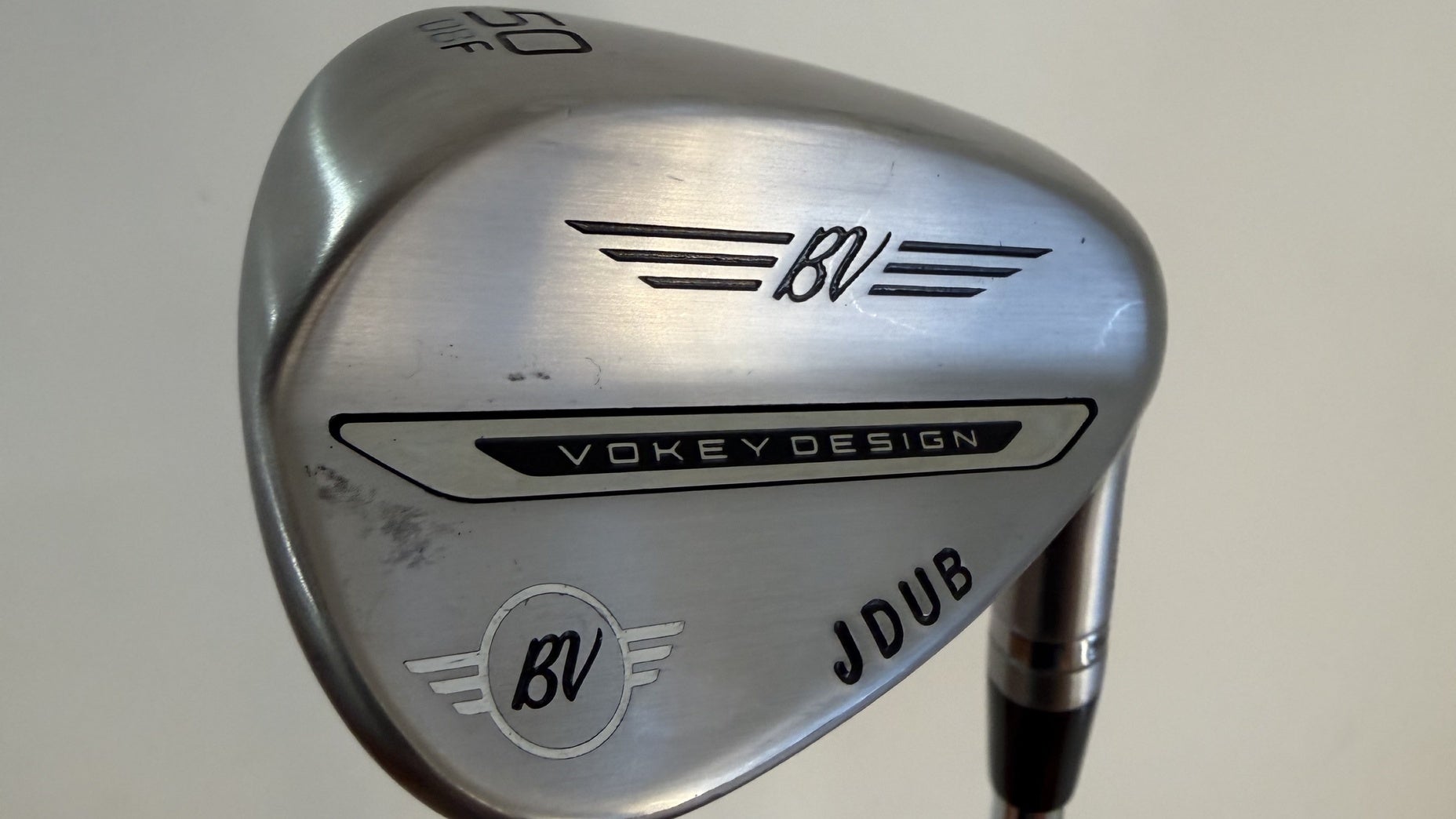
Vokey SM11 50.08F with True Temper Dynamic Gold Tour Issue S400
35.5 EOG, D4, 64 lie, Golf Pride BCT (58R, two double side, logo down)
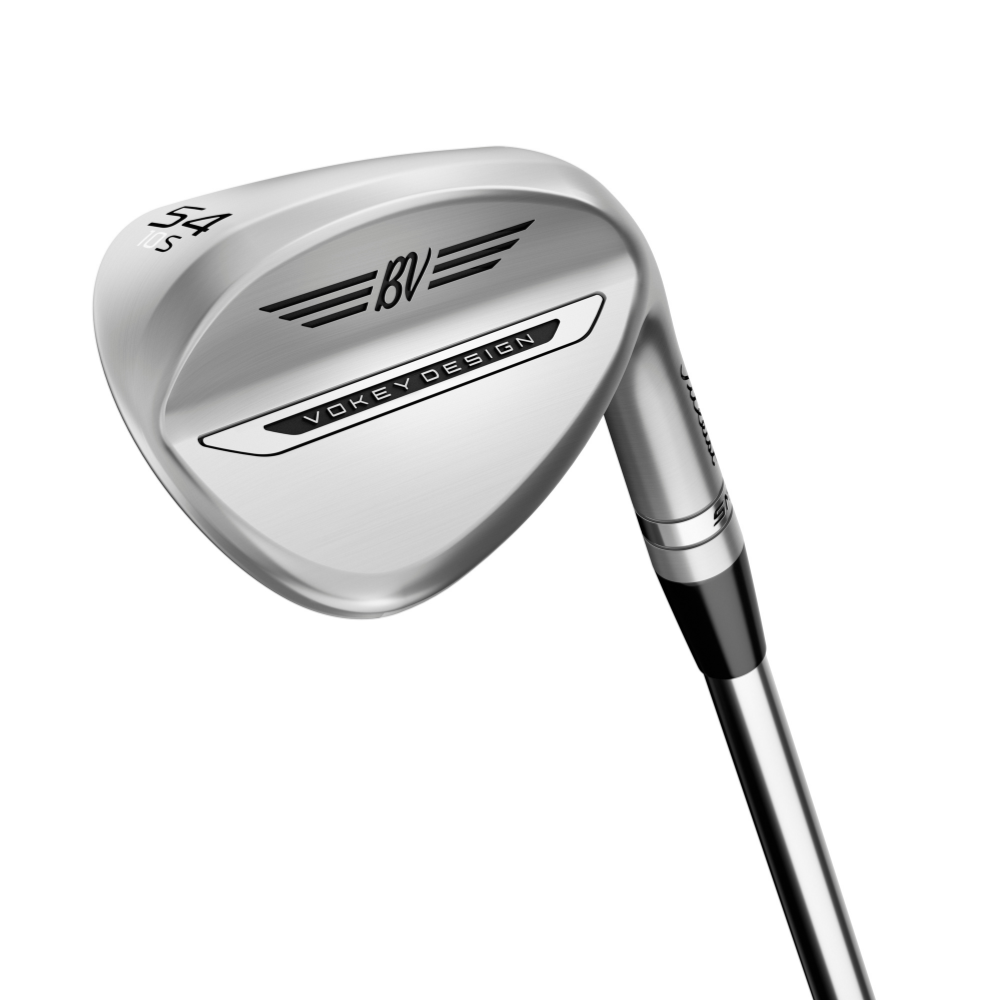
Vokey SM11 54.12D with True Temper Dynamic Gold Tour Issue S400
35.25 EOG, D4, 64 lie, Golf Pride BCT (58R, two double side, logo down)
Vokey SM11 58.08M with True Temper Dynamic Gold Tour Issue S400
35 EOG, D4, 64 lie, Golf Pride BCT (58R, two double side, logo down)
44 Stock: 22 launch, 8750RPM, 131 Carry
50 Stock: 26 launch, 9575RPM, 118 Carry
54 Stock: 27 launch, 10,100 RPM, 104 Carry
58 Stock (60 yards): 28 launch, 9285RPM
Now the best way to get an inside look as to what happened is to get it straight from the man who dialed me in, Vokey Wedge Rep Aaron Dill
Goals:
My fitting with JW started with some gap work. Math with wedges is very important and sets the tone for where the fit will likely go and how many wedges the players will benefit from. This exercise is also an honest reminder of what your yardages “really” are. The goal is to reach those yardages at 85 percent speed to get the launch, carry and spin correct.
JW tested a 44F, and this was an outstanding add. The benefits of the sole and the loft gave him the carry and trajectory we wanted. JW can create some natural loft, so it was important to take the time to find lofts that get the ball on grooves 2-5 more often. The next wedge needed to carry about 13 yards less, which led us to a 50. We tested both 50-12 and 50-08. Johnny has a path that, at times, can bottom out a little early or launch the ball a little higher, so we needed to find a sole that played a little thinner or with less bounce to bottom out closer to the ball at impact.
The next wedge loft we tested was 54, and again, we wanted a 13-yard reduction in carry. The testing we did on this loft also showed it sometimes launched a little higher. This led us down a couple of paths. Do we increase bounce or decrease and see how he reacts to the feels? My gut said he needed bounce for the trajectory, but we needed to stay thin to get a clean strike on the ball for the flight. We also discussed how important it is that the 54 is good around the greens. This tends to be an undervalued wedge and is used mainly for distance. The strike and versatility were the goals here, and the thinner model with more forward bounce was the clear winner. This wedge has important jobs to do. It has to be a great fairway club with controlled trajectory, and a get-me-out-of-trouble wedge when into the grain, in a long bunker shot or in any scenario where you may struggle.
The last club we tested was a 60, but it was clear the trajectory was still higher than we wanted, so we entertained a 58. We discussed the use of this club and the challenges JW faces around the greens when missing them. The carry yardage was not as important on this wedge, but it was still good to see that it was in the ballpark. The goal of this wedge is to check off as many important greenside boxes as possible. The change in loft from 60 to 58 lowered the trajectory and increased carry and spin. We tested multiple grinds to see if something stood out. The thinner, low-bounce soles performed similarly to the 54, but we made some sacrifices for the versatility. The M grind performed outstandingly around the greens and in the bunkers. I had concerns that JW would have a hard time creating height in form conditions. JW has great hands and had no issue getting under the ball cleanly. His ability to create height is a benefit, but it simply needs to be managed with less loft and the right grind.
The set we put together was calculated and proven to perform. This setup addressed many things, like carry, launch, spin, and, most importantly, the confidence any good player must have. The 44/50 are basic distance wedges, but the flight and hit location on the face need to be a point of focus to achieve consistent, predictable results. The 54 was my favorite part of the session and had the cleanest impact across all locations. But I loved the fact that we talked through the values of this club away from the fairway and, more so, around the green. The way JW hit bunker shots with the SW (high and spinny) made us both question if a 58 was needed. The 58 was the cherry on the sundae. This club has a lot of boxes to check. The balance of the sole gave JW the fairway launch and spin he needed for distance play, but going greenside and in the bunkers, we saw a constant flight and shape that you could trust.
He is in a great spot.
Ready to overhaul your bag in 2026 like our Fully Fit panelists? Find a club-fitting location near you at True Spec Golf.
The post Inside a Vokey SM11 wedge fitting with Aaron Dill appeared first on Golf.