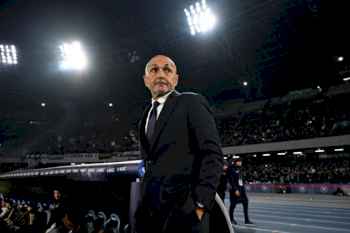

Igor Tudor replaced Thiago Motta in March, only for him to be replaced before the end of 2025. Juventus have now gone through three managers within the same calendar year, a situation that underlines the instability that has defined the club’s recent approach to leadership. Despite this turbulence, there is an expectation that the club will remain patient with Luciano Spalletti and allow him the time required to impose his methods.
In modern football, managers are often judged solely on their most recent results, and Juventus are no exception. If wins do not arrive consistently, even the most respected coaches can find themselves under pressure. The club’s history shows that loyalty is often secondary to outcomes, particularly when performances fail to meet expectations.
As brutal as Juventus has been when it comes to hiring and firing managers, it has typically waited until situations became untenable before making decisive changes. Both Motta and Tudor were afforded time to reverse negative trends, and the club only acted once it became clear that results were unlikely to improve under their leadership. This pattern suggests that Juventus do not dismiss managers impulsively, but rather when confidence in recovery has clearly diminished.
That approach places significant responsibility on the current coach. Spalletti would have examined this trend carefully and recognised that his job security depends heavily on maintaining momentum. Understanding the environment he has entered is essential, particularly at a club where expectations are consistently high, and patience can quickly wear thin.
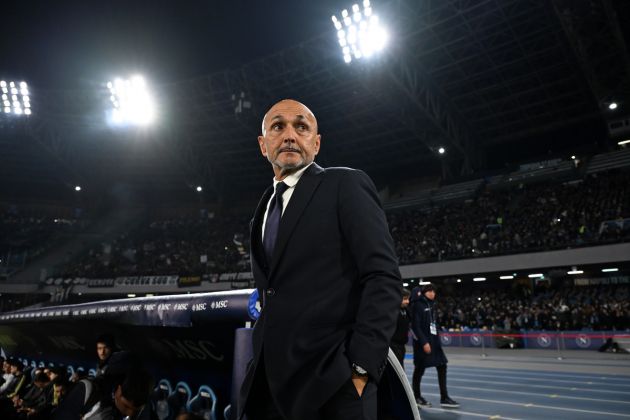
Luciano Spalletti (Photo by Francesco Pecoraro/Getty Images)
In recent weeks, Juventus have performed well, and Spalletti has stood apart from his predecessors in one key area: experience. Under Motta or Tudor, a defeat often led to further dropped points, either through another loss or a draw. That inability to respond immediately proved costly.
Spalletti, by contrast, knows how to manage setbacks. His experience allows him to steady the team and refocus quickly, ensuring that negative results do not spiral into prolonged downturns. This capacity to respond effectively has already made a noticeable difference.
If Juventus continue on this path, Spalletti’s experience could prove decisive. While the club’s recent history offers a cautionary backdrop, consistent results may finally provide the stability they have been searching for.
The post How Spalletti stands out from Thiago Motta and Igor Tudor appeared first on Juvefc.com.