

As a writer who traverses the globe covering golf, travel and all things food and beverage — and who racked up 110,000 frequent-flyer miles in 2025 — GOLF contributor Shaun Tolson has visited some of the world’s most famous golf clubs, resorts and best-kept secrets. Below, in Clubhouse Eats, he shares some of his favorite bites and sips from his recent travels.
For years, I’ve wished there was a term for food lovers that was better than “foodie.” It feels too casual, too nonchalant, as if it’s saying, “yeah, I’m interested in food, but I don’t quibble too much over the details.” And that’s the problem, because I quibble. A lot. The details matter to me.
There are other terms out there, but they suffer from even greater imperfections. Epicure is far too esoteric. Calling yourself an epicure, I imagine, would kickstart a conversation requiring an explanation of what that means, only for the other person to ultimately reply, “Oh, so you’re a foodie.”
Gourmand almost does the trick. It suggests a level of discernment, a passion, and an emphasis on quality — all of which applies. But gourmand’s fatal flaw is how it sounds. It just reeks of pretention.
So… foodie it is. And, as it turns out, earlier this year I traveled to two Mexican golf destinations where foodies are both welcome and catered to.
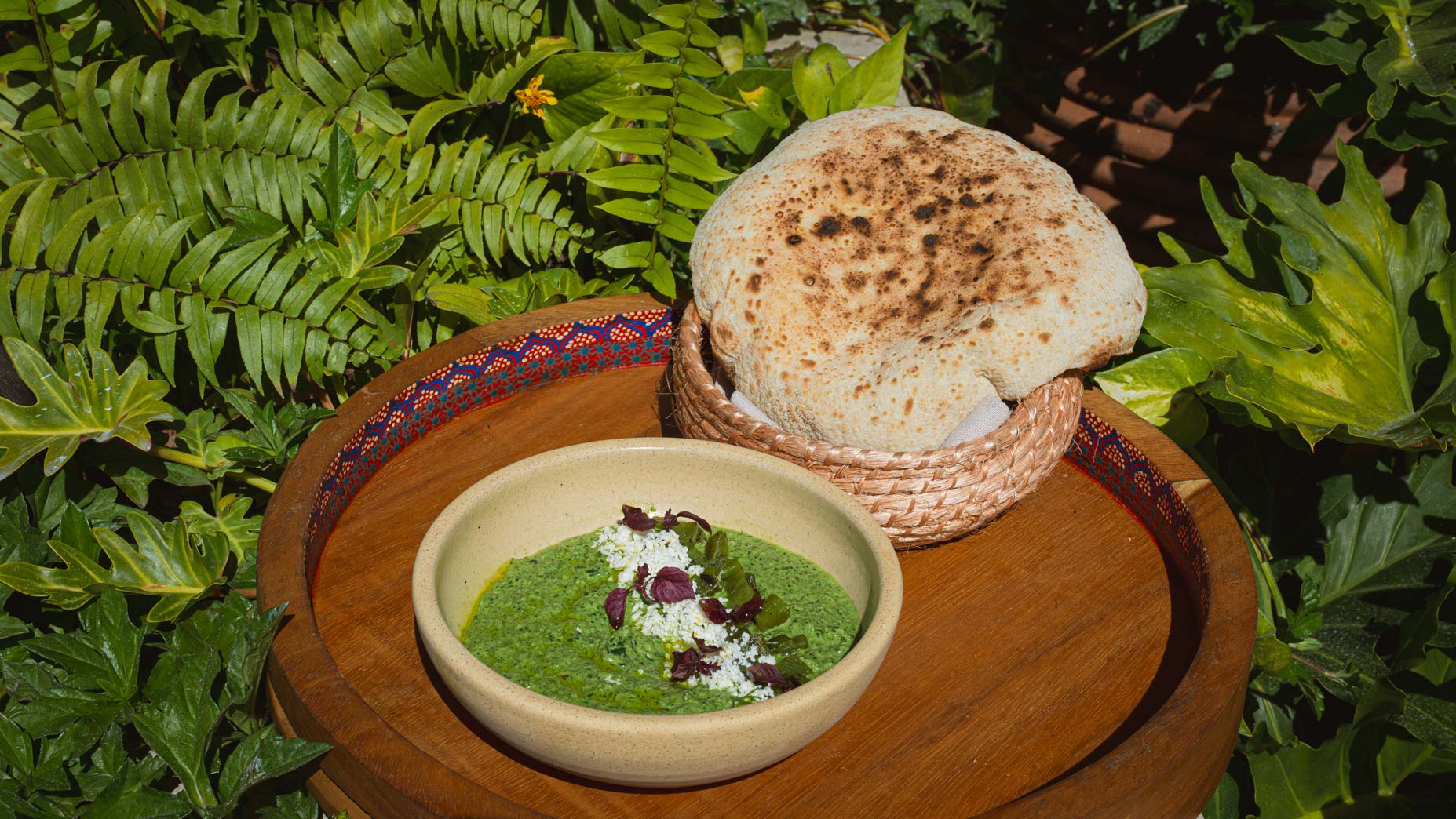
From the moment I arrived at Nauka, just around dinnertime, I knew this was my kind of place.
“Are you hungry?” my host asked, greeting me at the beach club and likely knowing the answer given my full-day of travel to get there.
In the next breath, he was rattling off all of the things that we could — or should — order: Ribeyes and tomahawk steaks, wood-fired pizzas, guacamole, truffle fries. The proposed spread was the ultimate comfort food smorgasbord.
“We’ll definitely have to order the grilled pita and dip,” he added. “It’s a members’ favorite.”
I wasn’t about to say no, but I’d be lying if I said I couldn’t wait to try it. It just didn’t sound that interesting to me. Pita bread and dip — how amazing could it really be?
Turns out, the club’s Roasted Poblano Pepper Dip (with goat cheese and toasted almonds) was one of the best things I ate over the four days that I was there. It was so good, in fact, that I managed to snag the recipe (see below):
Ingredients
Poblano Peppers – 1000g (about 5 to 8 peppers)
Sliced almonds (toasted) – 150g
Goat cheese – 350g
Olive oil – 100 ml
Garlic oil – 100 ml
Salt – 15g
Black pepper – 3g
Preparation
Roast the poblanos over an open flame until charred. Then, steam them (covered) for 10 to 15 minutes. Once steamed, carefully clean the peppers, making sure to remove the seeds and the skins.
In a sauté pan over medium heat, toast the almonds until golden brown.
In a blender or food processor, combine the peppers, almonds and oils, then blend until well mixed. Then add the goat cheese and blend again until smooth.
Season with salt and pepper, and adjust the texture with oil or water, as needed.
At no point during a stay at Nauka would you question the authenticity of the club’s lifestyle and its embrace of the Mexican culture. But if you’re ever looking for unmistakable Mexican flair, you’ll find it in The Nest — a comfort station set high on the hillside between the 7th and 8th holes of the club’s dynamic Tom Fazio-designed golf course.
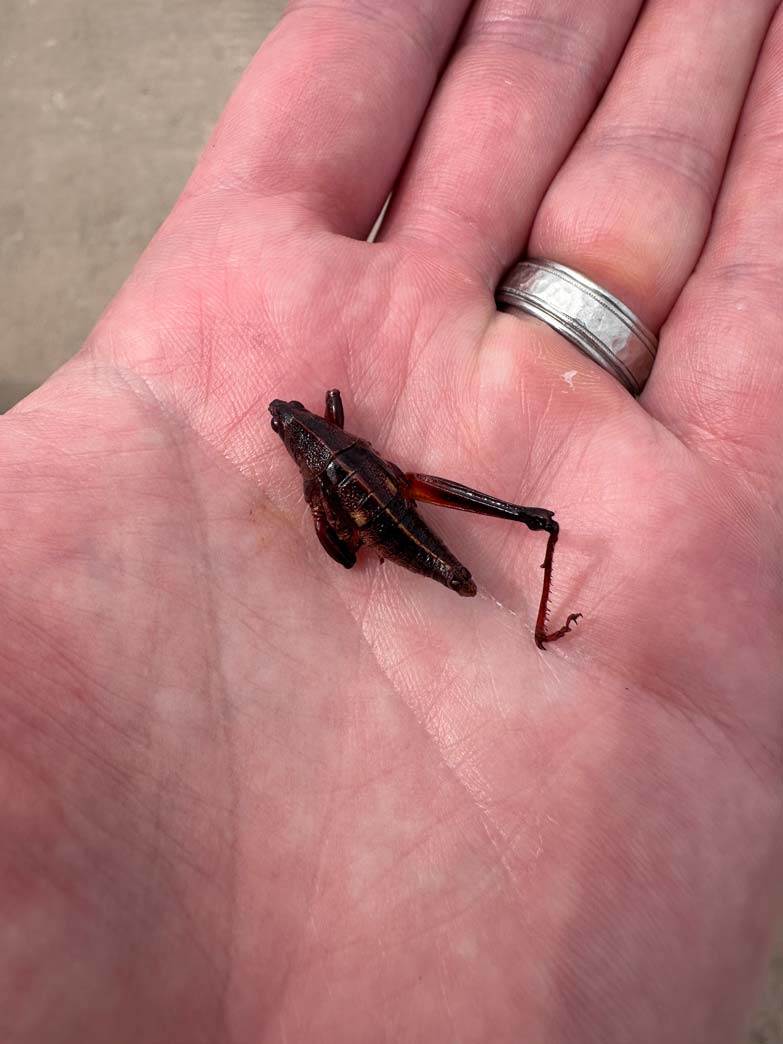
The Nest’s most famous fare is the burgerdilla, which is exactly what it sounds like: a cheeseburger-quesadilla mashup. But that’s not what caught my eye. What intrigued me most was the jar of roasted crickets. (In retrospect, they may have been chapulines, a species of grasshopper that’s a popular snack and ingredient in the state of Oaxaca farther to the south.)
I was no rookie to eating dried insects; my first exposure came almost seven years ago at Wicked Tequila Room in Loveland, Co., where dried scorpions were offered to anyone brave enough to pair them with a shot of tequila. I chomped on a few of them that night, and discovered that they were similar to a dried and salted pumpkin seed—albeit with a bit more going on texturally. Legs and a tail will do that.
These chapulines weren’t quite as salty, but they still ate similarly. Better still, my openness to taking a small cup of them for the rest of the round inspired the comfort station’s attendants to share a smaller batch that sported a spicier coating. The spice rub lessened the insects’ crispiness, but it provided a complexity of flavor. Both are worth trying, if you can stomach the idea of snacking on insects. It’s traditionally Mexican, after all.

At Coyul — the upscale, seasonal-focused restaurant at Four Seasons Tamarindo — the beef tongue and chargrilled salsa tacos might seem somewhat out of place on the menu, but they’re one of Chef Elena Reygadas standout dishes. Sporting a deep char that is equal parts savory and smoky, the meat boasts an incredible texture, soft and tender but with just enough structure to give it a satisfying bite and chew. These tacos deliver such an umami bomb, you’d swear the meat was coated in a luscious mole sauce. In reality, that’s just the chargrilled salsa working its magic.
After sampling one as part of an appetizer during my first night at the resort, I returned my last night there and made a trio of these tacos my main course. They’re that good.
Since the end of 2024, Four Seasons Tamarindo has operated an on-property farm called Rancho Lola. There, guests can schedule a communal breakfast (see main photo at top of article), where over live fires, the chefs prepare a variety of foods, including tamales, quesadillas, from-scratch tortillas, scrambled eggs, crispy-skin pork belly, and more. Sampling fresh fruit, some of which is grown locally (pineapple, watermelon, and papaya), while surrounded by the greenhouses where the resort cultivates some of its produce and herbs is a treat. For those looking for authentic dining experiences, a Rancho Lola breakfast at Four Seasons Tamarindo is a must.
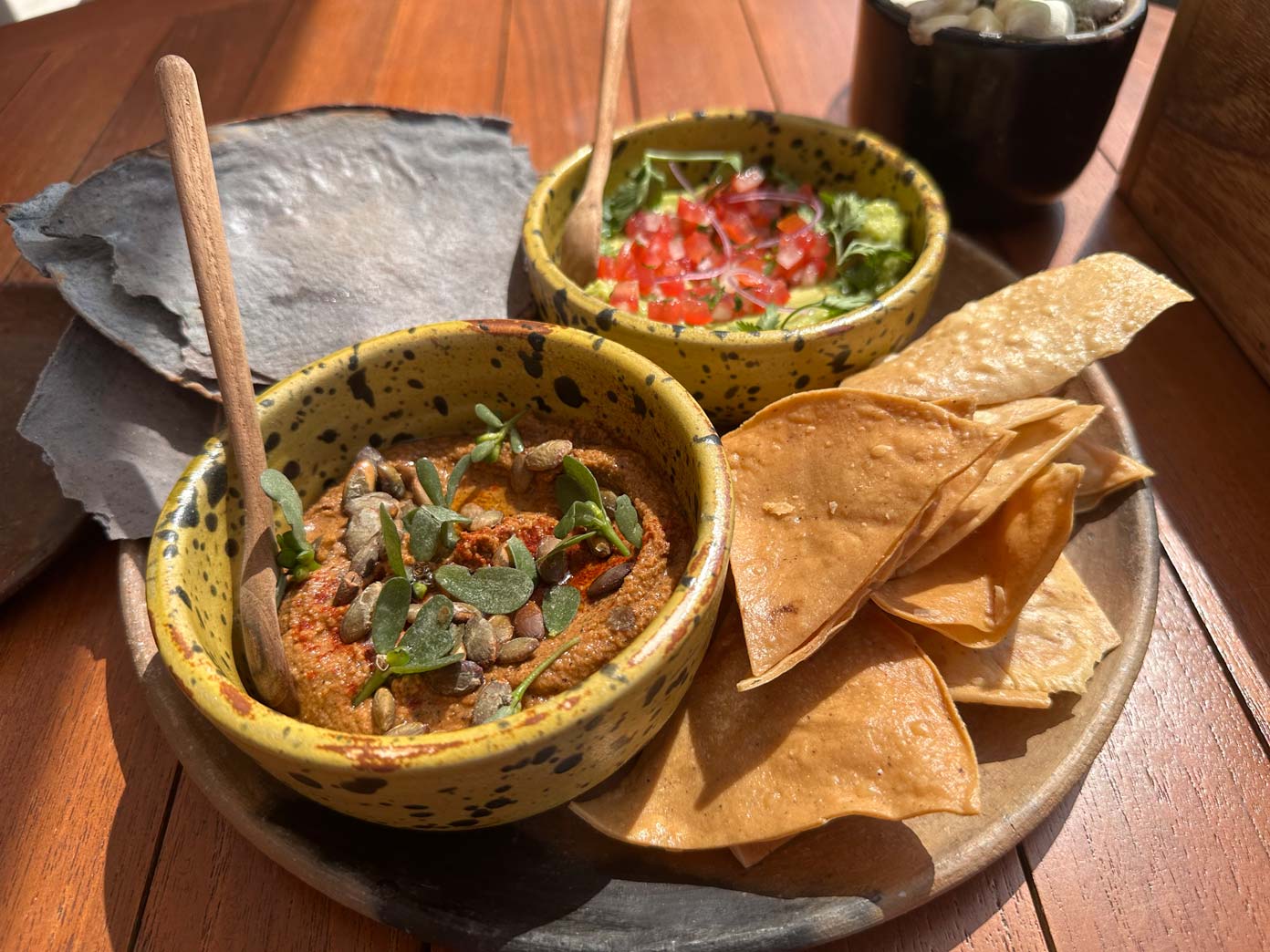
If you’ve read my column about sticky toffee pudding, you know that there are certain dishes that are only great when made to an exceptionally high standard. Guacamole, in my opinion, falls into that category, which is why I was excited to order it at Four Seasons Tamarindo’s Nacho Taqueria. At the server’s recommendation, I also tried the Sikil Pak, a traditional Mayan dip; but it was the guacamole that held my interest.
When the two appetizers arrived, I immediately dug into the guac, which was good but, admittedly, not as delectable or crave-worthy as I had hoped it to be. I then scooped a bit of the Sikil Pak onto a tortilla chip, took a bite and had my mind blown.
Made from pumpkin seeds, garlic, tomatoes, onions, habanero chilis and orange juice, the rustic dip was captivating. It was incredibly savory and earthy, and it paired beautifully with the chip’s saltiness. The French have a saying, je ne sais quoi, which is often used to express an appealing, intangible quality. It’s an apt way — maybe the only way — to describe this dip, which was delicious (addictively so), despite the fact that I couldn’t put my finger on what made it so good.
The post 5 unexpected, exotic and delicious bites from Mexican golf destinations appeared first on Golf.