
Cobra’s newest metal woods want to help you be more accurate this year.
The last few years, the industry has flipped between focusing on speed or forgiveness with drivers. While many people associate forgiveness with accuracy, they aren’t really the same thing.
With the new OPTM line of drivers, fairway woods and hybrids, Cobra tackles the challenge of building more accurate clubs by focusing on the Product of Inertia (POI), rather than Moment of Inertia (MOI).
“MOI is still important, but POI is the next frontier in terms of overall accuracy,” Cobra VP of Product Architecture and Consumer Connections Jose Miraflor said in a release. “In design, we want to increase MOI (stability) while also reducing POI (3D twisting). POI finetunes forgiveness into directional consistency as it allows the clubhead to rotate more naturally with your swing.”
While MOI only looks at a club’s resistance to twisting across one plane (either front to back or heel-to-toe), the golf club exists in three dimensions and they all interact. POI takes into account all three dimensions, helping Cobra identify shapes and weighting for the OPTM line to increase accuracy.
Keep reading below for more on the Cobra OPTM line of metalwoods, including my take on the release.
While MOI will still be important in driver design as it measures the stability of a clubhead and impacts how much ball speed is lost on a mishit, it doesn’t paint a full picture. No matter how stable a head is, it’s going to twist when the ball is not struck in the center, producing unwanted side spin.
You get a 10K MOI driver by adding the MOI of the clubhead on the X-axis (how it opens and closes) and the Y-axis (how it tilts forward and backward). Two MOI numbers don’t actually mean anything. POI now factors in the Z-axis.
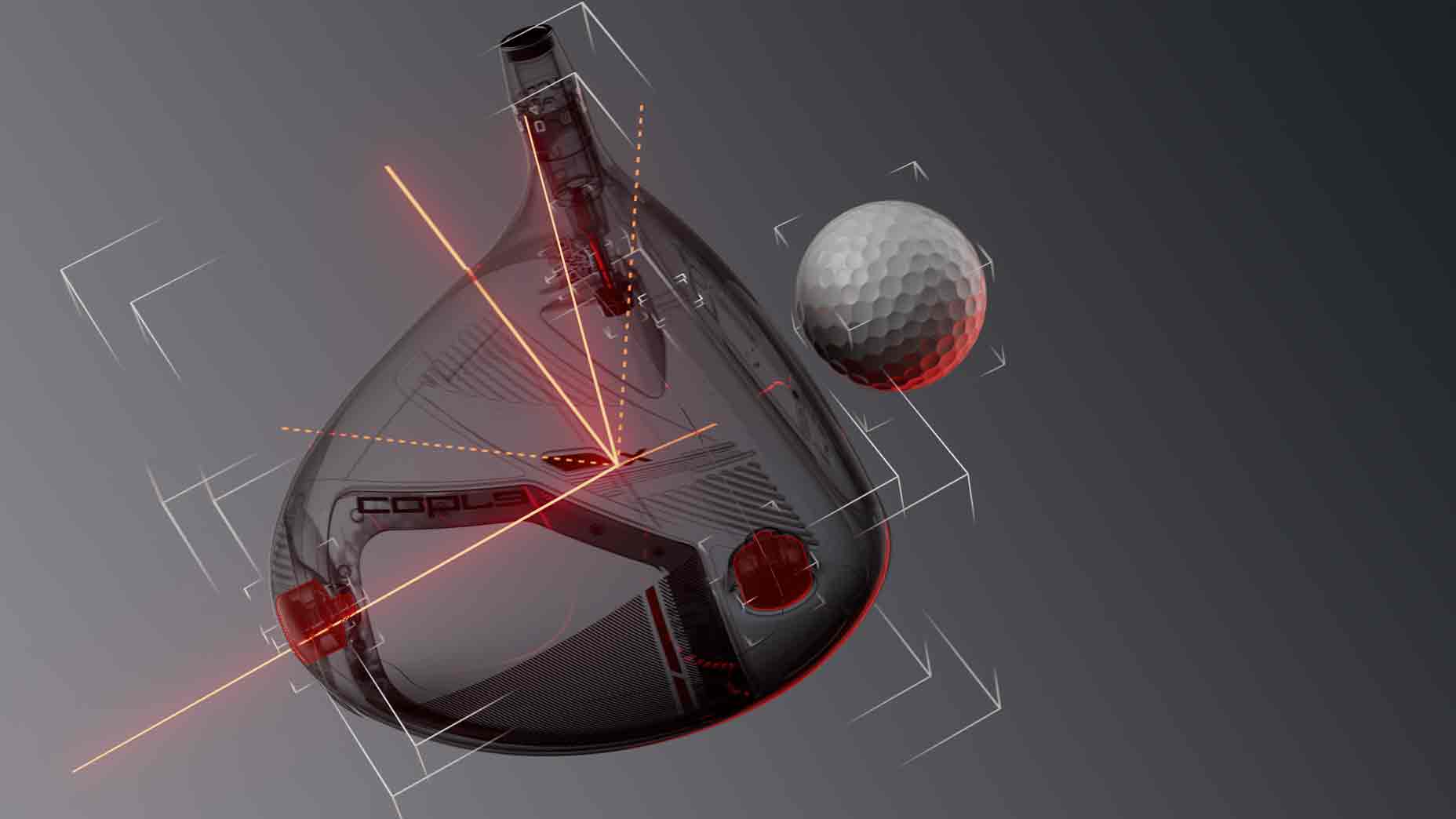
“Z is brand new — Z is the study of toe droop or heel droop based on impact on the heel or the toe,” Mirafor said. “Now that we understand Z along with X and Y, we can study how Y and X work together, how Y and Z work together, and how X and Z work together.”
Using POI modeling, Cobra re-engineered mass placement and weight positions on their driver heads to reduce the 3D twisting on off-center hits, resulting in significantly tighter downrange dispersion. This created the lowest POI values possible.
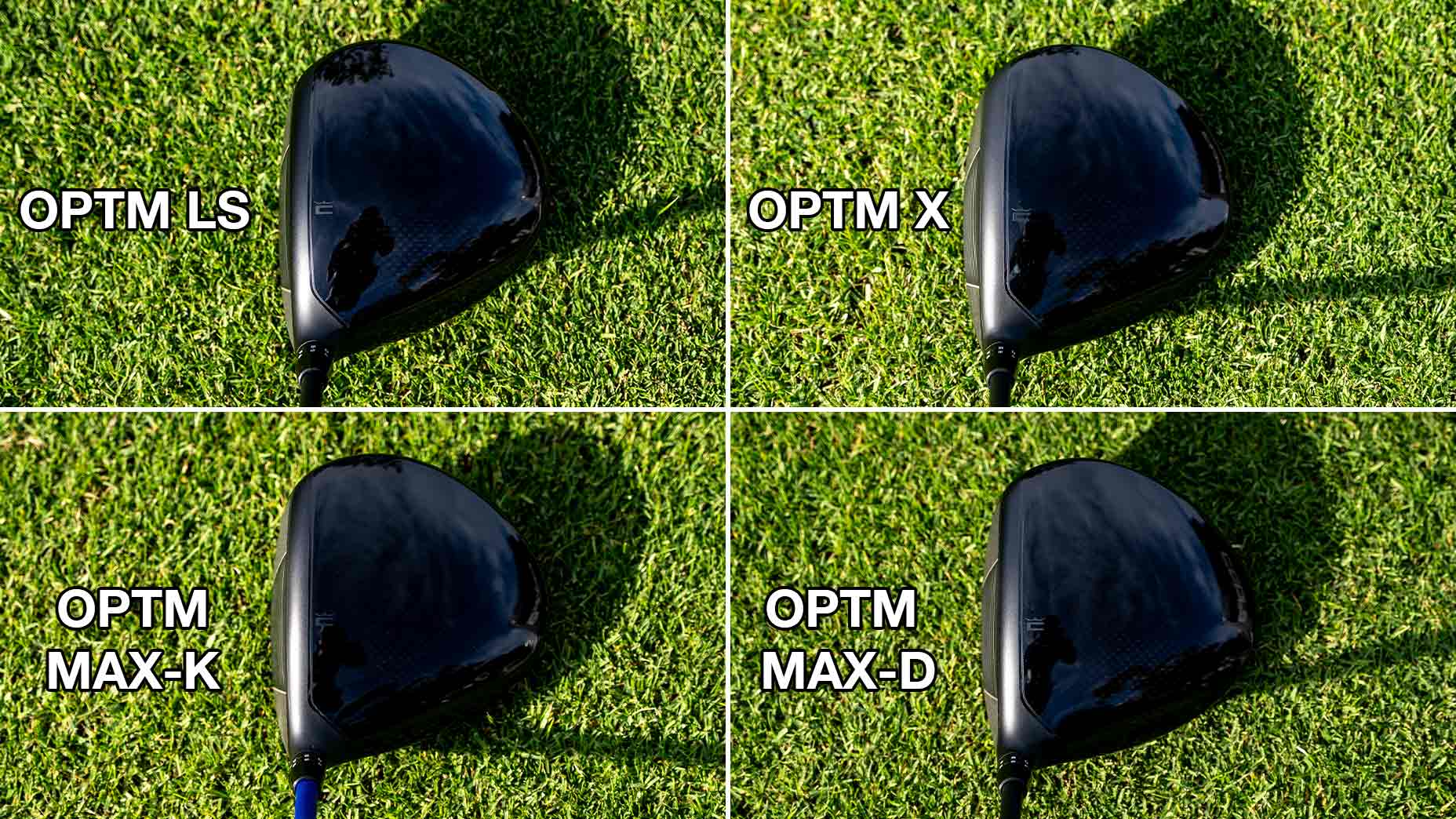
You’ll notice the changes in the shaping of the drivers, like how the LS now clocks in a 460 cc and features a deeper face, and in the placement of the weight ports. The shapes are rounder to get the CGs closer to the center of the head.
The results are huge gains in accuracy.
“The study of product of inertia has given us the ability to make the LS, X, and K drivers up to 23 percent tighter in downrange dispersion compared to the previous generation, specifically on off-center hits,” Mirafor said. “Center strikes already go where the face is aimed … It’s when you miss the center that MOI and POI really matter.
“What people will see is when they hit the driver, they’re gonna be impressed with how far it goes. They’re gonna be impressed with how relatively forgiving it is, but what they’ll really be impressed with — and a lot of better players have said this — is they hit it, and they say, ‘I felt like that shot was way off the map.’ and they look up, and it’s flying straight.”
Part of the POI modeling suggested different weight placements and settings to boost accuracy.
Take the LS, for example, which features three movable weights. Typically, a driver with three weight ports would have one in the back and two split in the front. But the OPTM LS has one in the back, one in the front, offset toward the toe, and another in the heel, but halfway back of the driver.
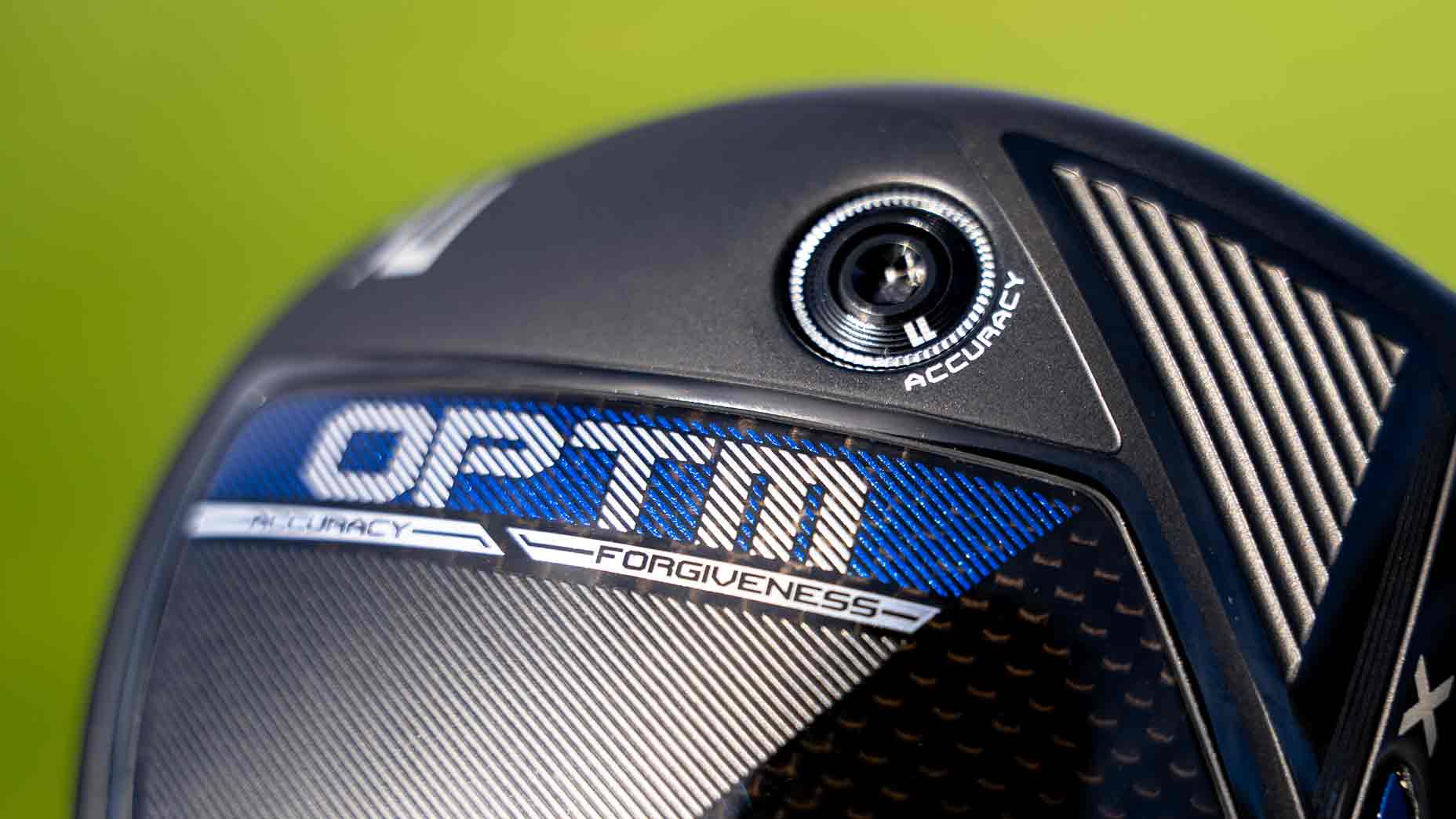
The goal isn’t necessarily for shot shape correction, but instead, these are the optimum weight placements for lower POI.
Instead of labels like “draw” or “fade”, the weight ports now say “accuracy” and “forgiveness” on the X model, with a “fade” setting on the LS. The stock weights also vary in mass with the LS coming with 11 g, 7 g and 3 g weights. Previously, a typical three-weight setup would mean one heavy one and two light ones, but not anymore for Cobra.
“Even if you move the weight for ball flight, you’re still in a much lower POI setting than you were with previous drivers,” Mirafor said.
All of the OPTM line has Cobra’s FutureFit33 hosel with 33 unique loft and lie combinations for ultimate adjustability.
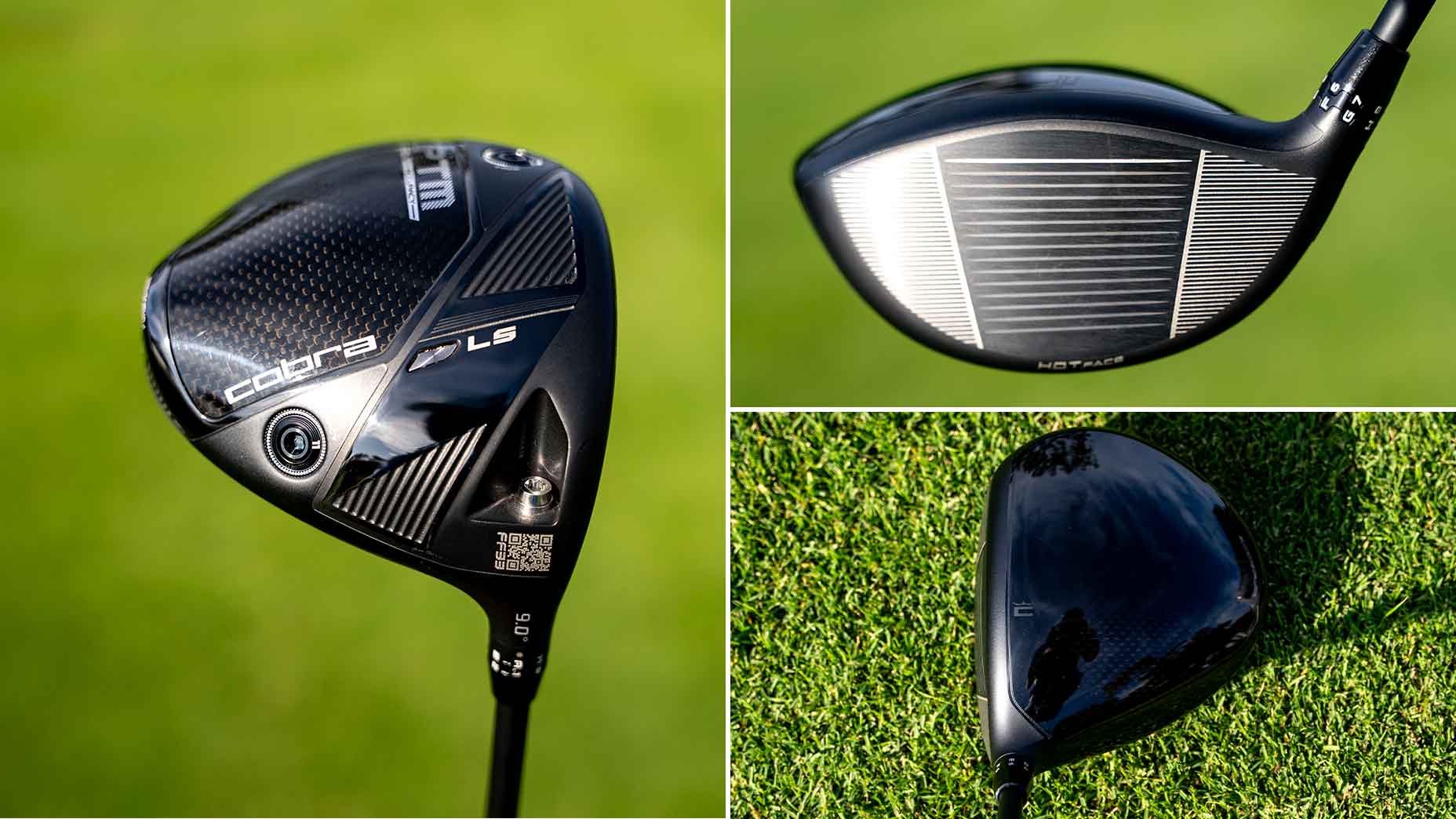
What is it: The head size on the LS model has been increased to 460 cc, and the face has been made deeper. New weight placements have selections between “forgiveness” (rear), “accuracy” (heel), and “fade” (toe) and the stock weights offered are 11 g, 7 g and 3 g.
Available lofts: 9.0°, 10.5°
Who it’s for: Faster players who need to kill spin.
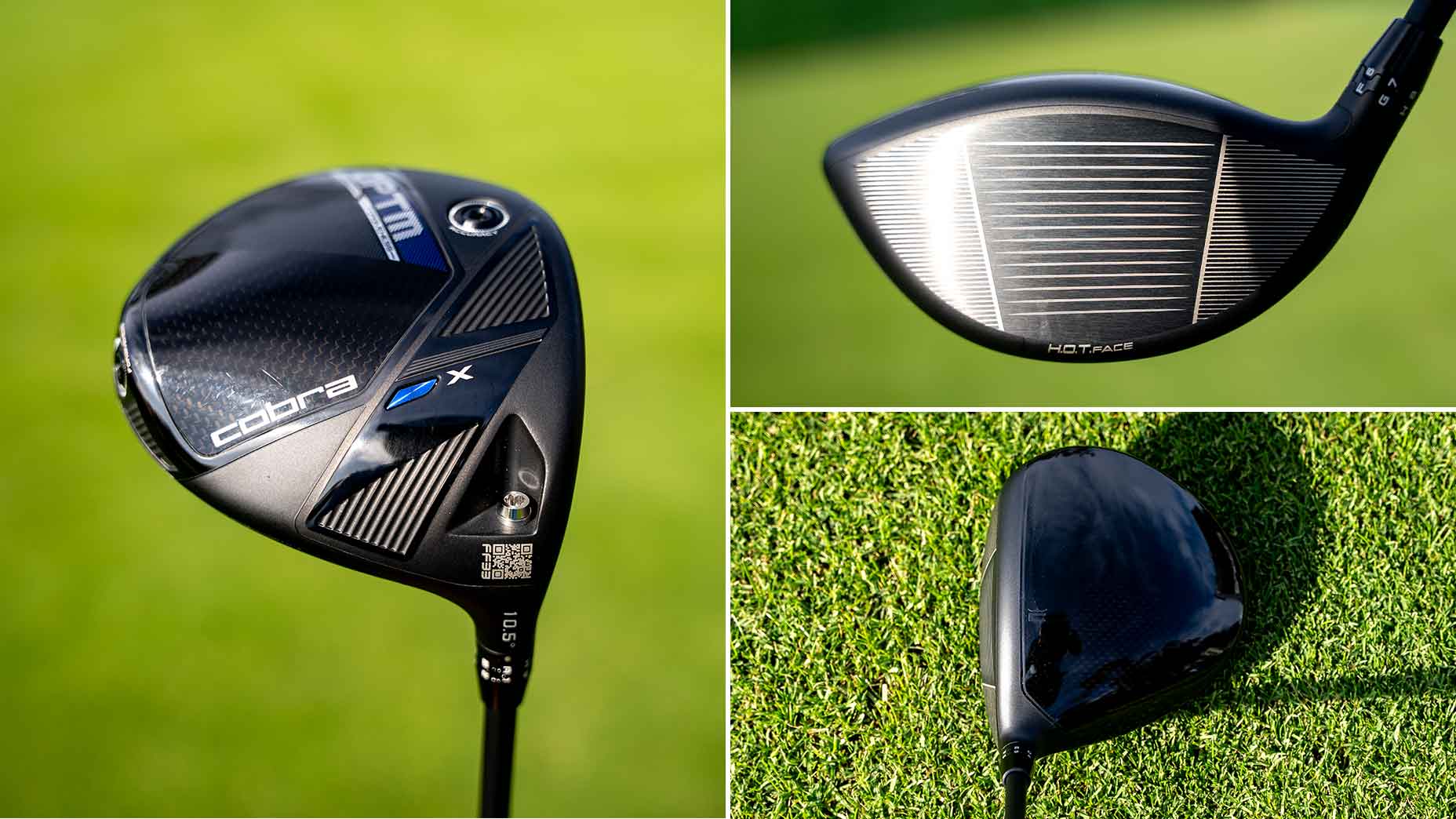
What is it: The X head was reshaped to better match the look of Cobra’s F9 Speedback driver from 2019 and the “FX” tour version of last year’s DS-Adapt X driver. The X driver is likely to be most used on Tour and offers the choice of putting the heavier 11 g weight in the back for forgiveness or the front (offset toward the toe) for accuracy. In testing conducted by our partners at True Spec Golf, fitters found this model was actually the fastest in the high swing speed (110+ mph) tests and was the longest overall for our mid speed tester (103 mph).
Available lofts: 9.0°, 10.5°
Who it’s for: This is the do-it-all model of the lineup and should fit the majority of good players who don’t struggle with creating too much spin.
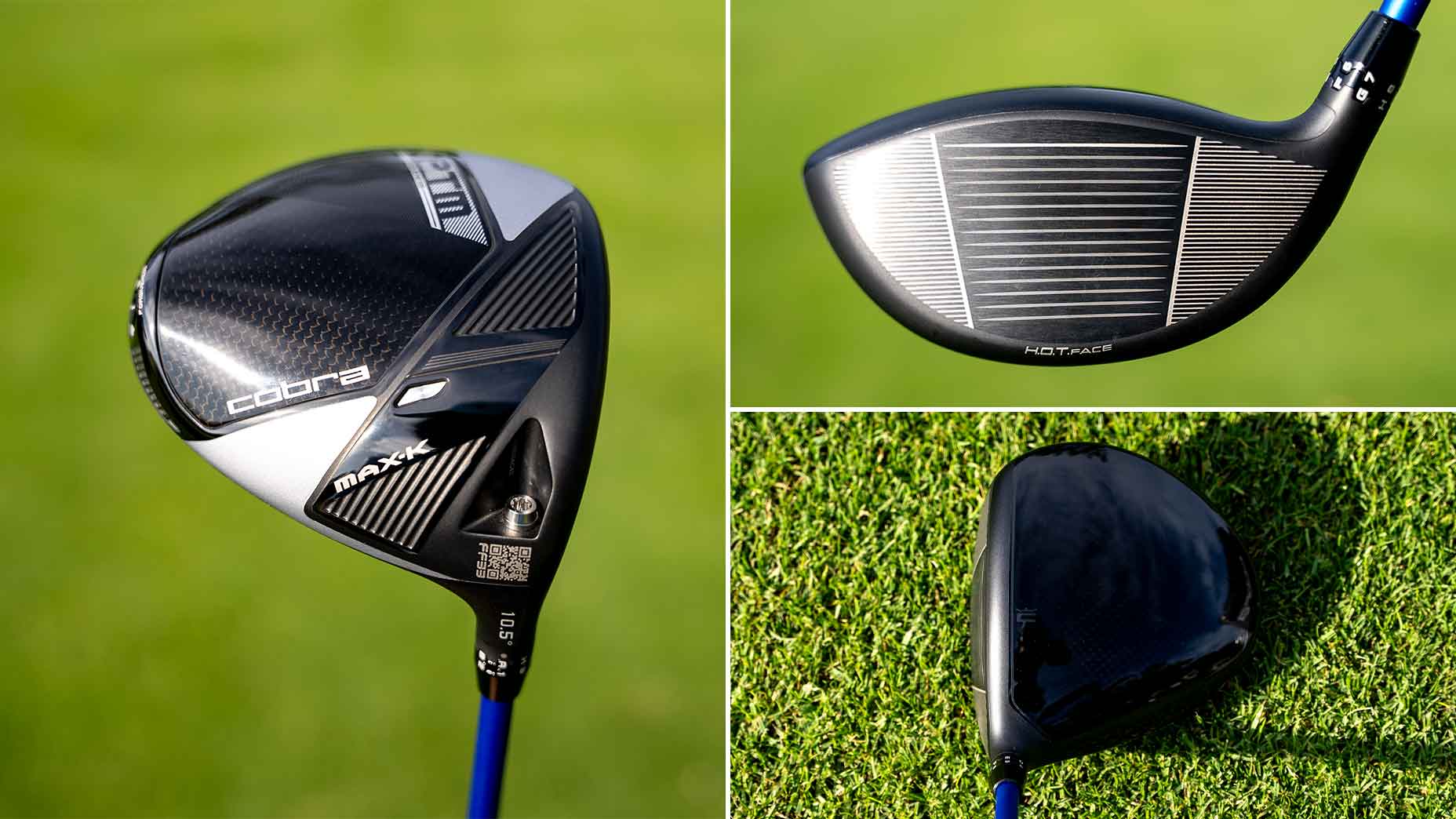
What is it: While not being marketed by Cobra as a 10K head anymore, the Max-K model is still the most forgiving model in the lineup and has a fixed 11 g weight in the rear. This driver has an oversized and more elongated profile than the X or LS. Also available in a women’s model.
Available lofts: 9.0°, 10.5°, 12.0°
Who it’s for: Those who need maxium forgiveness.
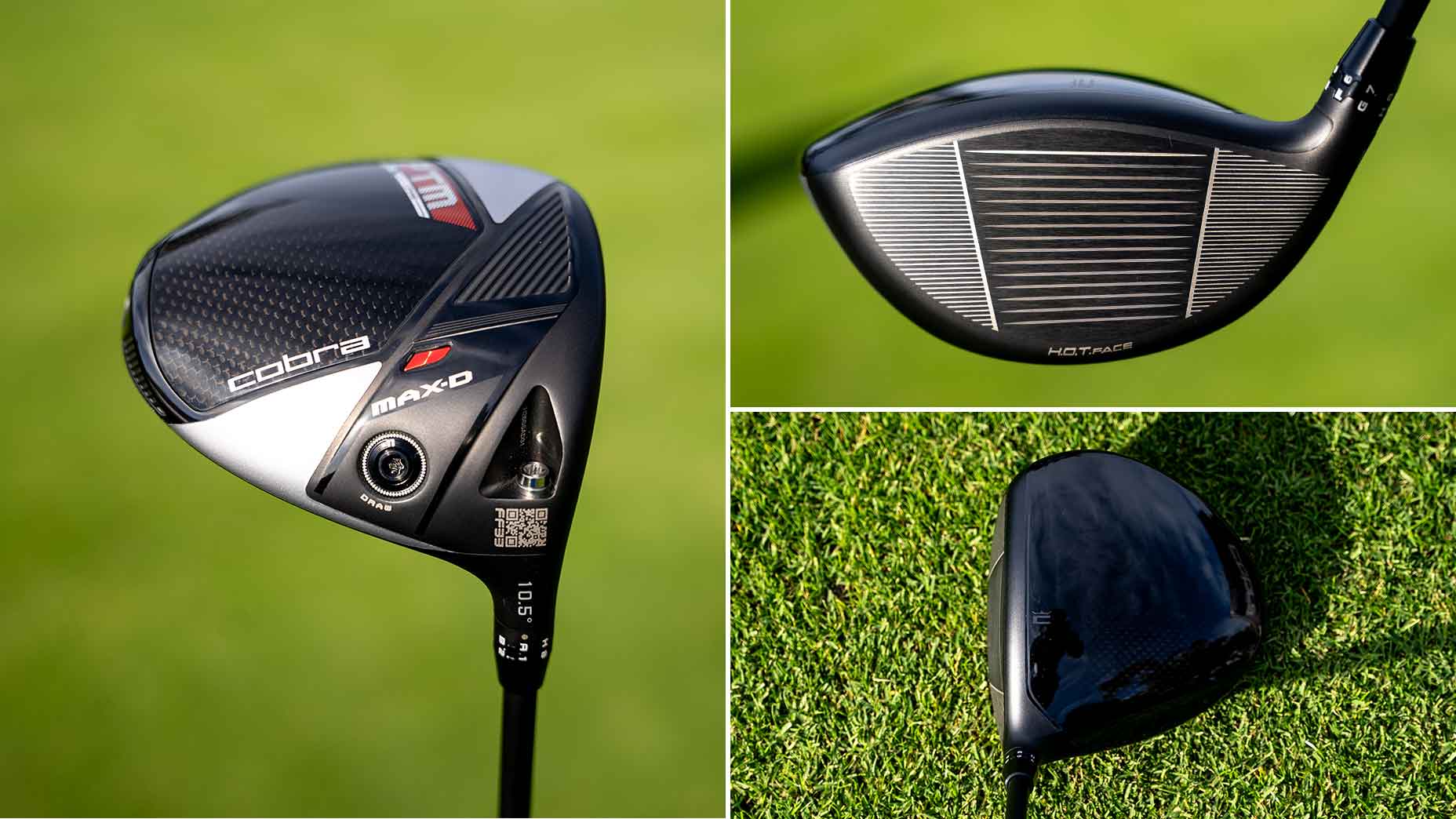
What is it: The Max-D has a similar oversized profile to the Max-K, but has the fixed 11 g weight in the heel and a lighter overall build to help players correct a slice and get a boost in speed. It’s also 2 degrees more upright than the other drivers. Like the Max-K, the Max-D is available in a women’s version. True Spec Golf testing found this model was the highest spinning across the three speeds.
Available lofts: 10.5°, 12.0°
Who is for: Those who struggle with a slice and need extra spin and slower players who need a lighter package.
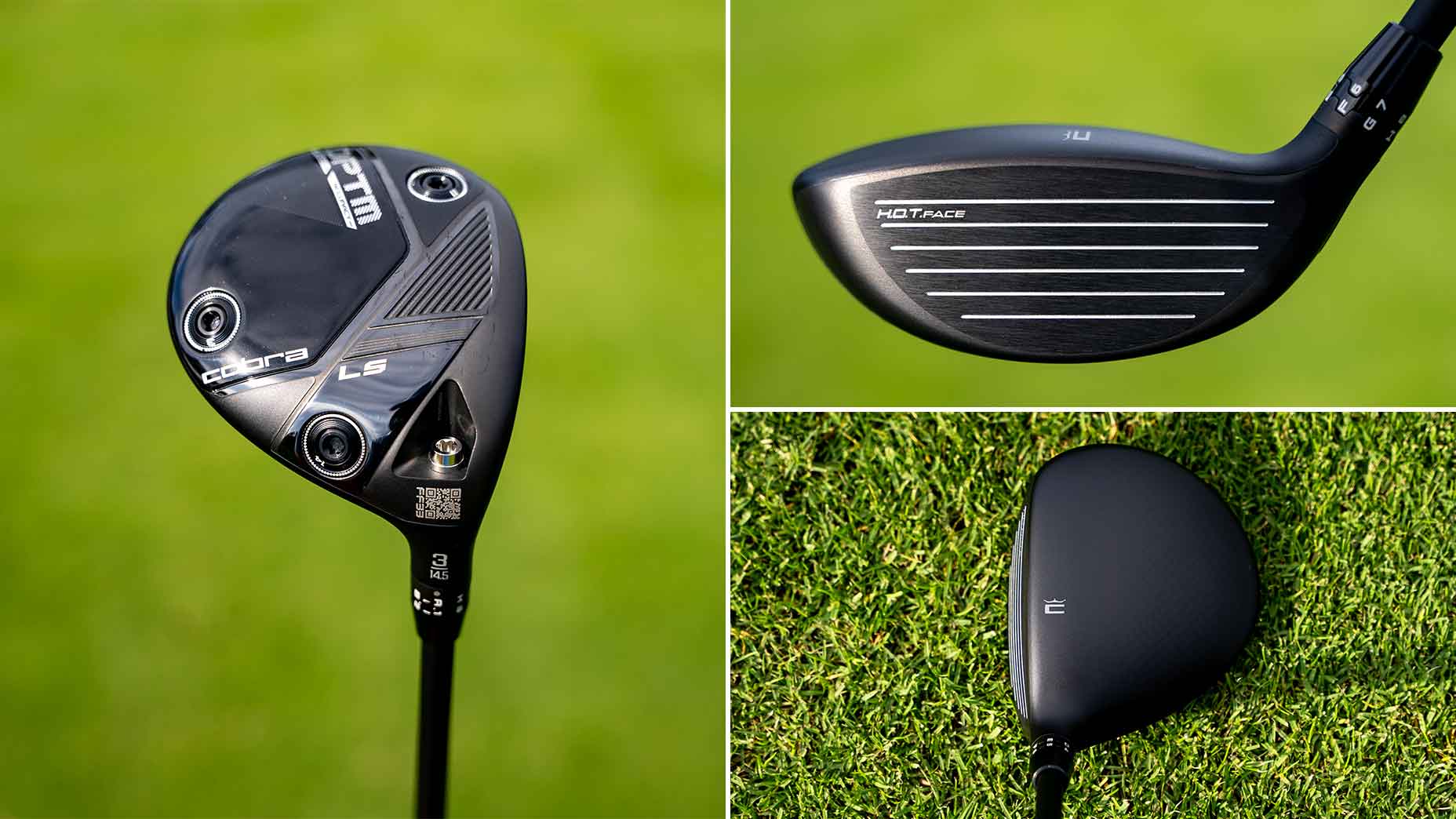
What is it: The LS is the only fairway wood with a titanium construction for the fastest ball speeds. It also has the deepest face and the lowest and most forward CG for low spin performance. There are three weight ports, in similar positions to the LS driver with 14 g, 11 g and 3 g weights to provide low POI.
Available Lofts: 3-wood (14.5°), 3HF (16°), 5-wood (17.5°)
Who is for: For players who need max distance out of their fairway woods or struggle with high spin.
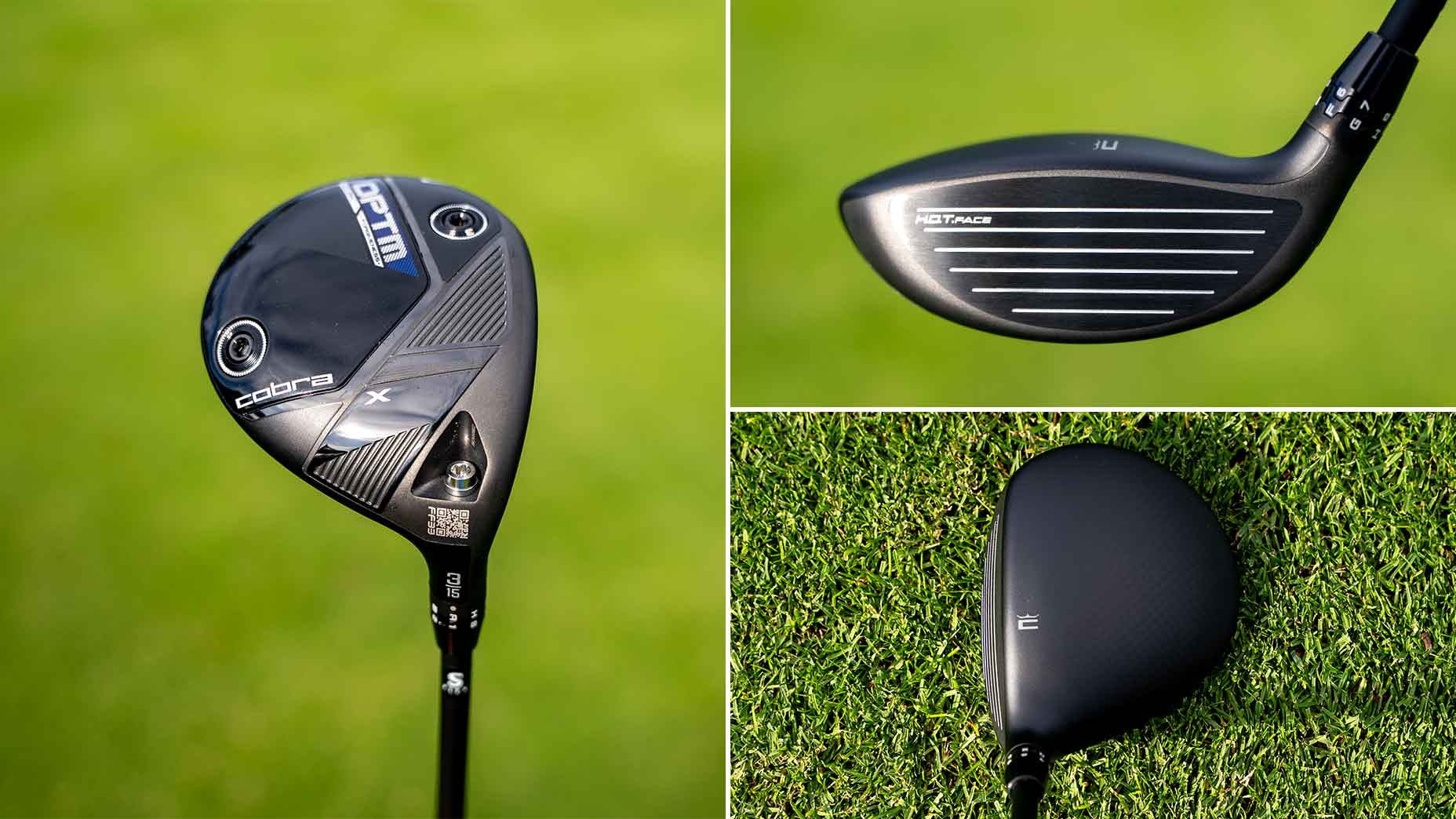
What is it: The X fairway wood provides a balance of speed and forgiveness in a slightly larger profile than the LS with a mid-CG. The X has 17 g and 3 g adjustable weights in the rear and front toe. The X will likely be the most played model on Tour.
Available Lofts: 3-wood (15°), 3HF (16.5°)((RH only)), 5-wood (18°), 7-wood (21°), 9-wood (24°)
Who it’s for: The majority of players who fall in the middle of the bell curve on the spin spectrum.
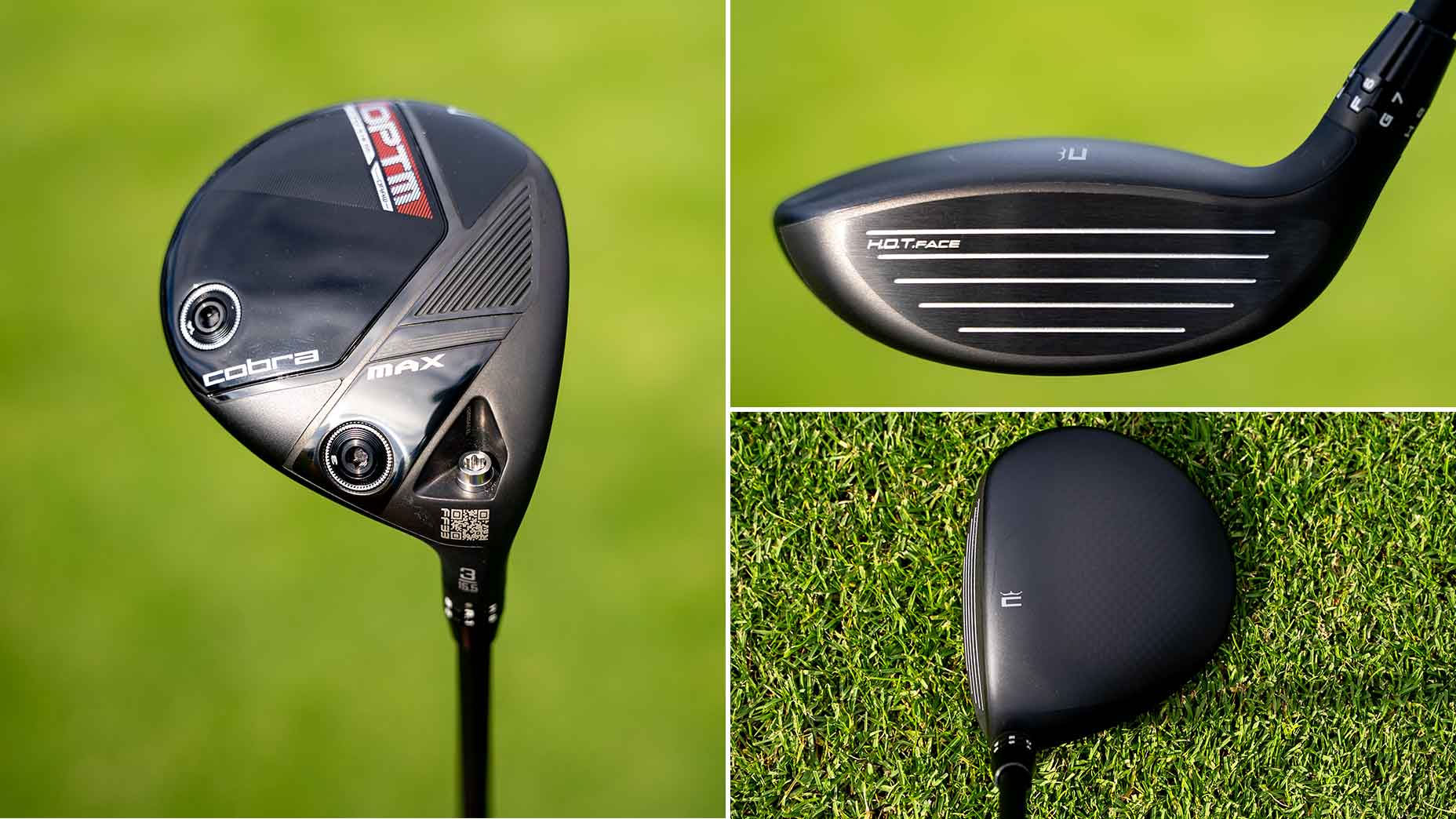
What is it: The largest profile in the fairway wood line, the X has a back and heelward CG to counteract a right miss. There are two adjustable weight ports in the back and the heel to further enhance a draw bias.
Available Lofts: 3-wood (15.5°), 5-wood (18.5°), 7-wood (21.5°), 9-wood (24.5°)
Who it’s for: Players who need help with launch and struggle with a slice.
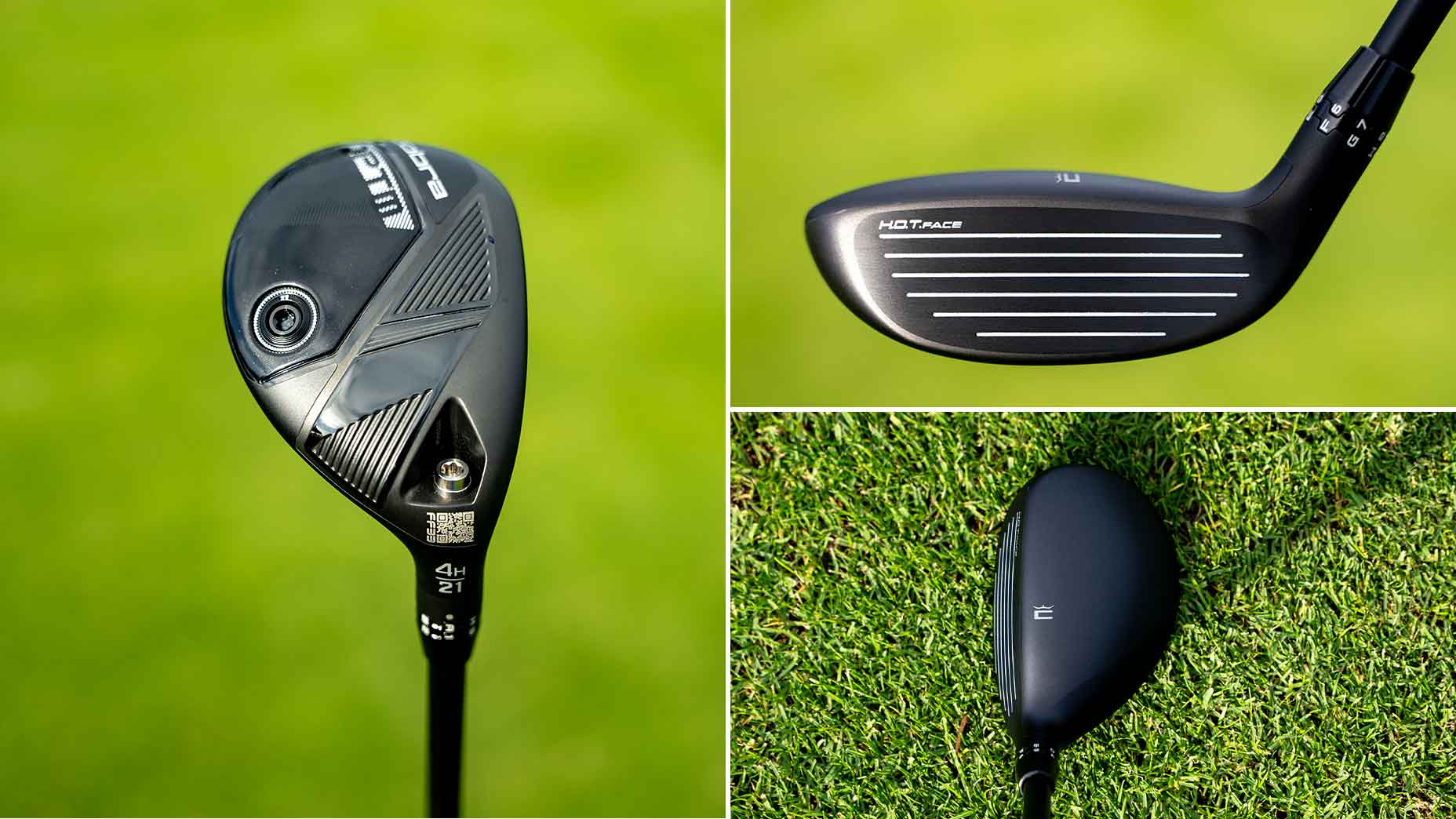
What is it: The lone hybrid in the lineup has actually been enlarged slightly to distinguish it from the King Tec hybrid, which will continue to serve players seeking a more compact shape. The face was also shallowed slightly to make it easier to launch. The FF33 hosel really comes in handy here with the ability make these hybrids up to 2 degrees flat and remove fear of a left miss.
Available Lofts: 3-hybrid (19°), 4-hybrid (21°), 5-hybrid (24°), 6-hybrid (28˚), 7-hybrid (31˚, women’s version only)
Who is for: Players who hit high-lofted fairway woods too high and need a different option for the top of the bag.
Cobra is quietly becoming a company of innovation with their 3DP irons, FutureFit33 hosel and now POI research and optimization.
The concept of POI makes a ton of sense, as the “10K MOI” numbers were simply combining two numbers that really don’t mean anything to each other. Where Cobra’s work will be this year is really selling how the POI concept leads to more accurate golf shots in the fitting bay.
The Cobra OPTM line has the potential to be one of the biggest successes of 2026 if the story is told properly. POI isn’t the easiest thing to wrap your brain around, but neither is MOI to the average consumer and that took off.
Aside from that, Cobra has created a really solid lineup of clubs from driver to hybrid that takes a lot of the great from the DS-Adapt line and adds to it with the new POI technology and weighting.
The drivers are fantastic, but I think there’s a lot to love about the fairways and hybrid in this line. During our initial testing, the first time I heard Jake Morrow hit the LS fairway, I physically turned around to see what club it was. I found the same awesome “Thwack” sound when I was testing the X fairway that even made me consider looking at it over the new King Tec Mini Driver.
The advantage of the FF33 hosel also can’t be understated in the hybrid, as I was fit into it with just four swings.
Overall, the Cobra OPTM lineup is a great advancement of momentum from DS-Adapt that positions Cobra as one of the most innovative stories in golf equipment right now.
Cobra’s new OPTM drivers, fairway woods and hybrids are available for pre-order starting Jan. 13 and will arrive at retail locations on Jan. 20.
The four driver models are all priced at $599. The three fairway woods are priced at $469 (LS), $369 (X) and $329 (Max) and the Optm hybrid is $329.
Want to find the best driver for your game in 2026? Find a club-fitting location near you at True Spec Golf.
The post Cobra’s OPTM drivers are built around a stat you’ve probably never heard of appeared first on Golf.