
Before every shot, every golfer makes the same decision: they judge distance. In the fairway, range finders, GPS devices and even the occasional sprinkler head help calculate the distance to the flag. But as we get closer to the hole—and precision matters more—we’re often left to our own devices, relying entirely on our eyes.
How we perceive distance can shape almost every aspect of our on-course performance. Putting, short game and even full swing shots are all impacted by how accurately we “see” distance. Despite its influence, vision remains one of the most overlooked aspects of golf performance.
That’s why Titleist Performance Institute (TPI) includes vision screenings as part of their golf-specific fitness and performance evaluations, which you can check out here. And, according to Dr. Greg Rose, co-founder of TPI, you don’t need fancy equipment or a lab to understand how your eyes affect your game—you just need two simple tests.
View this post on Instagram
The first test Dr. Rose recommends is the Numerical Depth Test. To try it, have someone place a ball between 15 and 30 feet from you, where you can clearly see the floor leading up to it. Estimate how far the ball is from you in feet and inches, like you would on a long putt. Then, measure the actual distance and note the difference between your estimate and reality.
The second assessment is the Perceived Depth Test, which takes it a step further. Leave the first ball in place, and hold a second ball in your dominant hand with your arm extended. The goal is to pace off the distance you believe the first ball is from you—without looking.
Keep your eyes open while you get in position, then, when you’re ready, close them and pace off the distance. When you reach the spot where you think the first ball sits, drop the ball from your hand to see how closely your estimate matches reality—again noting the difference.
Dr. Rose explains that these assessments are designed to expose the subtle tendencies we have that impact our ability to perceive distance accurately—which can often explain why we constantly leave putts short or long.
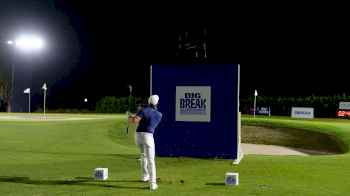
We see a great example of this during Joel Dahmen’s visual assessment. In the video, which you can watch here, Dahmen’s test results reveal that he has esophoria—where objects appear closer than they really are. While it might sound alarming, Dr. Rose says it’s usually nothing to worry about.
“The problem is if it starts to bleed into your golf game,” he says.
Luckily, the fix is simple.
“Anytime you’ve got esophoria or exophoria, an easy way to counterbalance this is when you practice, you should practice with known yardages.”
Dr. Rose explains that players with esophoria or exophoria—where objects appear farther than they really are—benefit from using launch monitors or distance-measuring devices during practice sessions because it eliminates guesswork. Practicing with known yardages, as Dr. Rose calls them, helps you dial in the speed needed for each distance. It also reinforces the connection between your feel and the actual distance—a skill that directly translates to your on-course performance.
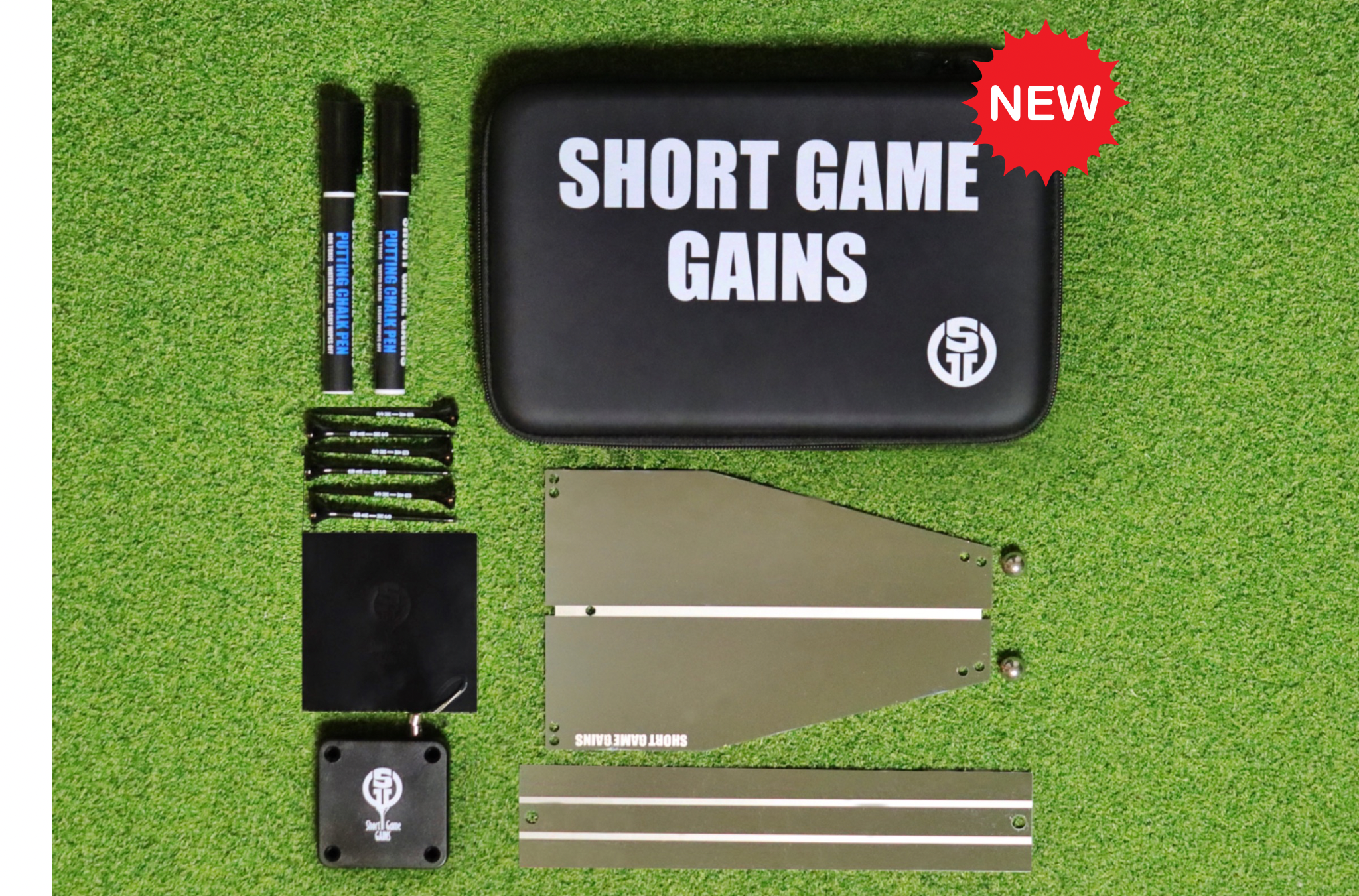
View Product
The post 2 simple tests reveal why your distance control is off—and how to fix it appeared first on Golf.