

The past 12 months had a little of everything — a career Grand Slam, Ryder Cup chaos and so much more. With 2026 on the horizon, our writers look back at the most memorable moments from 2025 and explain why they mattered.
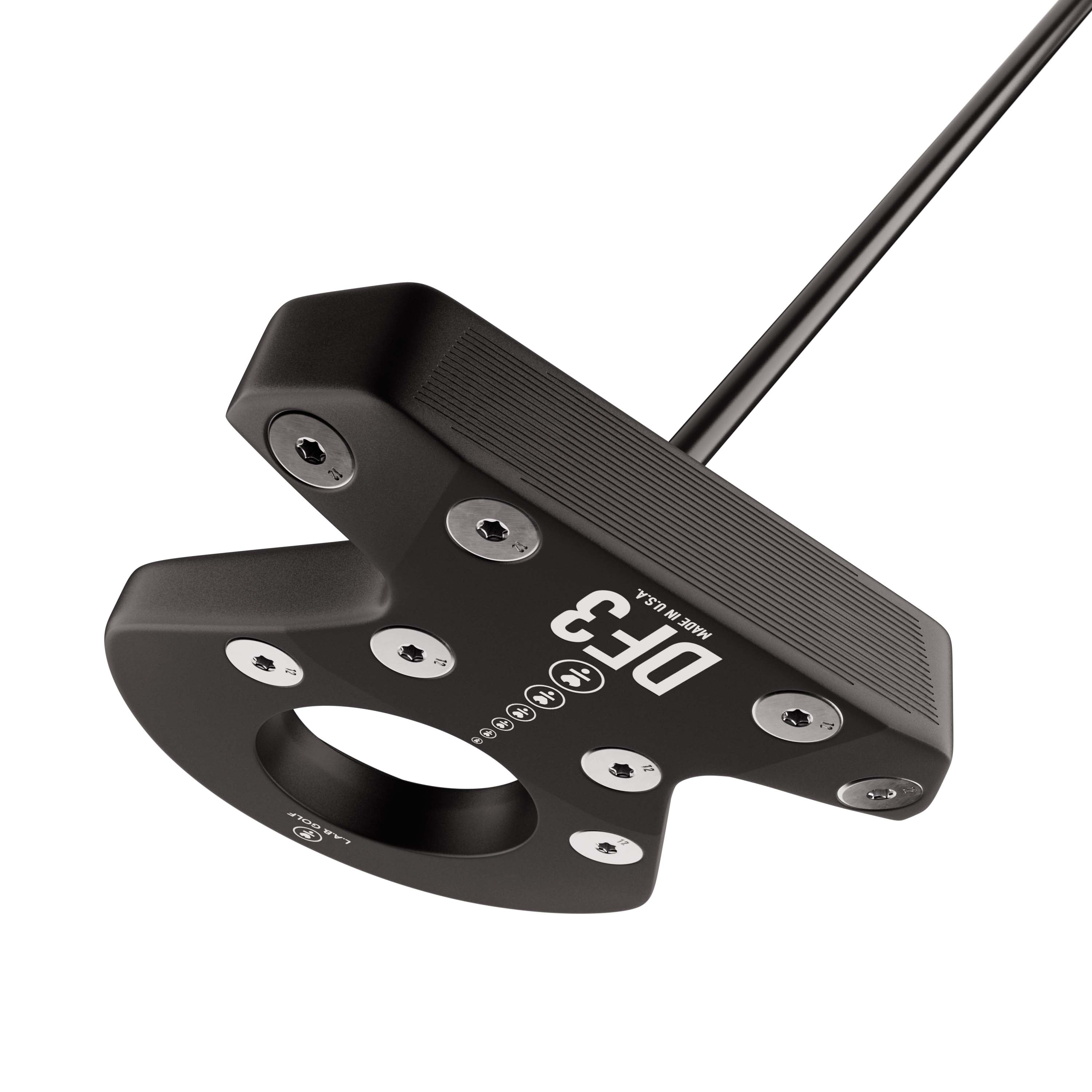
After J.J. Spaun’s 64-foot bomb sealed his U.S. Open victory and catapulted him into the international golf spotlight, he tossed his L.A.B. Golf DF3 putter in the air. Somewhat fittingly, the putter seemed to stay square the whole time.
Spaun’s breakthrough victory at Oakmont highlighted the major shift both at golf’s highest levels and in the recreational game toward “zero-torque” putters, as the win was the first major title for a player using a “zero-torque” model.
A “zero-torque” — or low-torque putter — is one designed with the shaft axis pointing directly through the center of gravity of the putter head, creating a putter that balances with the toe pointed straight up, as opposed to the toe pointing down at an angle or the face pointing up. This design creates a putter face that naturally wants to stay square during the stroke to help keep the ball on line.
Putting the shaft through the CG axis usually requires it to be positioned behind the face with onset, as opposed to the offset of a traditional putter. To counteract this, many low-torque putters have forward shaft lean to place the user’s hands in the proper position.
This design does not remove all torque from the putting stroke, but the name “zero-torque” caught on early.
Spaun was not the first player to use or even win with a low-torque putter on the PGA Tour, but his move at the beginning of the season coincided with his best PGA Tour year and underscored the new category’s rise in the game.
Low-torque putters first appeared on the PGA Tour when L.A.B. Golf, the maker of Spaun’s DF3 putter, was spotted in the bag of Adam Scott. Scott became a poster child of the early low-torque putter movement, using the putter in a long, “sweeper” configuration, similar to the long-anchored putter he used to win the Masters.
The putter genre really caught fire in late 2023, when Lucas Glover, whose career had fallen off due to lousy putting, suddenly came back into the spotlight with back-to-back PGA Tour victories in August. Glover was using L.A.B. Mezz.1 Max sweeper, similar to Scott.
View Product
ALSO AVAILABLE AT: PGA Tour Superstore, L.A.B. Golf
But it wasn’t until late 2024 when major OEM competitors like Bettinardi, PXG and Odyssey started entering the low torque space. Those putters first saw a PGA Tour green late that season and better adoption in 2025.
But this season, it started hitting a fever pitch.
Major OEMs TaylorMade and Scotty Cameron, two of the three largest players in the putter market, along with Odyssey, introduced their versions of low-torque putters in 2025. Ping unveiled its PLD Ally Blue Onset putter, too.
Furthermore, companies continued to innovate the concept. L.A.B. was able to create its first heel-shafted low-torque putter and Odyssey created a version that didn’t require significant onset or forward shaft lean.
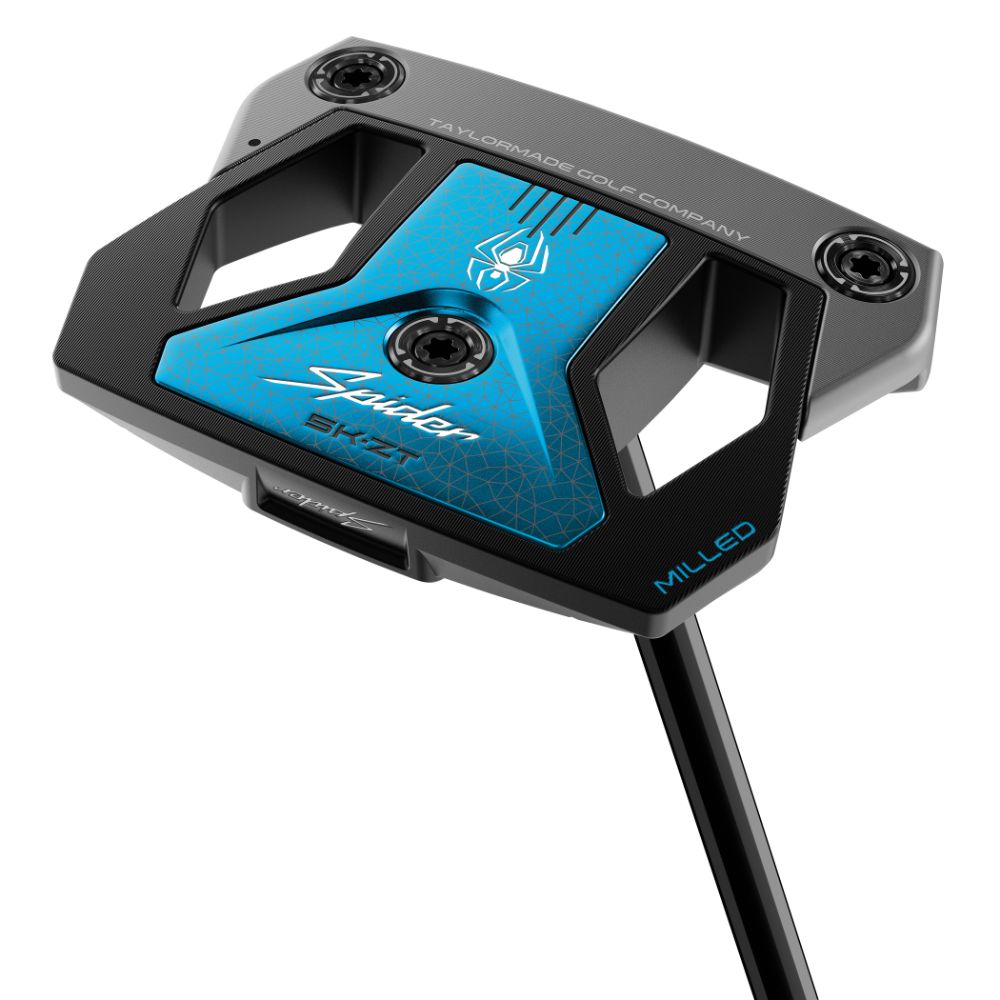
Spaun made waves early in the season with his runner-up finish at the Players before his victory at Oakmont, while Brian Harman won with the then-yet-to-be-released TaylorMade Spider ZT and Garrick Higgo won with L.A.B. OZ.1i, the putter designed by Scott himself. Meanwhile, Gary Woodland had his best season since 2020 using a prototype Scotty Cameron Onset Center putter.
Spaun, Higgo and Harman were the only players to win on Tour this season with a low torque putter model, and Higgo was the only player in the top-10 of Strokes Gained: Putting, but the trend has had an arguably larger impact on the retail space.
L.A.B. Golf’s marketing strategy reversed traditional thought, which was to have Tour players influence recreational golfers, by first catching on with regular golfers to see if they could influence usage on Tour. For the most part, it seems to be working.
 ALIGNMENT
Based on tour player feedback, we were tasked to find a new premium alignment system. Building on the classic TaylorMade True Path technology, milled lines the width of the golf ball were added helping golfers properly index to center face.
ALIGNMENT
Based on tour player feedback, we were tasked to find a new premium alignment system. Building on the classic TaylorMade True Path technology, milled lines the width of the golf ball were added helping golfers properly index to center face.View Product
ALSO AVAILABLE AT: PGA Tour Superstore, TaylorMade
More and more low-torque putters are sold every day and Odyssey’s VP of Product Strategy, Jacob Davidson, told GOLF we may be seeing the creation of a “game-improvement” putter category, like there is for other club categories.
“Maybe, just maybe, for the first time, we’re starting to see the bifurcation of putting styles emerge for everyday golfers, and the best players in the world,” Davidson said.
For now, low torque putters are still relatively new to the game, but unlike the start of 2025, when many major OEMs were still trying to determine if the putter style was just a fad or a trend with legitimate staying power, we seem to have an answer now.
How will they change the game further in 2026? We’ll have to wait and see.
Want to find the right putter for your game? Find a club-fitting location near you at True Spec Golf.
The post How ‘zero-torque’ putters changed the golf landscape in 2025 appeared first on Golf.