
When going through a proper fitting, we know that finding the right head and shaft combination plays a crucial role in lowering your golf scores. There’s also another key part of the club that often gets overlooked, which, funny enough, is the only part that we touch: the grip.
At True Spec Golf, we see this all the time. A player comes in and uses different grips throughout their set, often made of different materials and even different sizes. Some of these are practically falling apart and should’ve been removed many seasons ago.
Now, I’m not saying having different sizes for different parts of your bag is wrong, as there could be benefits if approached logically. This is a part of your club that can make a big difference in how you swing the club and, in turn, affect your ball flight and tendencies.
This is the most common misconception about grips | Fully Equipped
We’ve all heard that if you’re a player who battles a slice, you could get a larger grip, and voila, your slice is gone. I’m here to tell you that this is something that can help mitigate some of your errors, but this is unfortunately false. We as fitters have learned that, like all things in golf, it’s completely relative to the player and any change can yield different results.
Selecting the right golf grip and size can be challenging and, unfortunately, can also take some time, as most of your fitting studios and retailers will only have testers on-site. This helps you to get a feel for them, but more than likely, they won’t have a physical club for you to swing and take to the course.
I’ve learned this is something that’s completely personal and sometimes comes with a lot of trial and error. Of course, a great fitter can have conversations with you to determine what the best options might be, as there are some key things we look for when recommending the proper size and texture. But this comes down to the player, as you are the only one holding the club, and only you know what feels and works best.
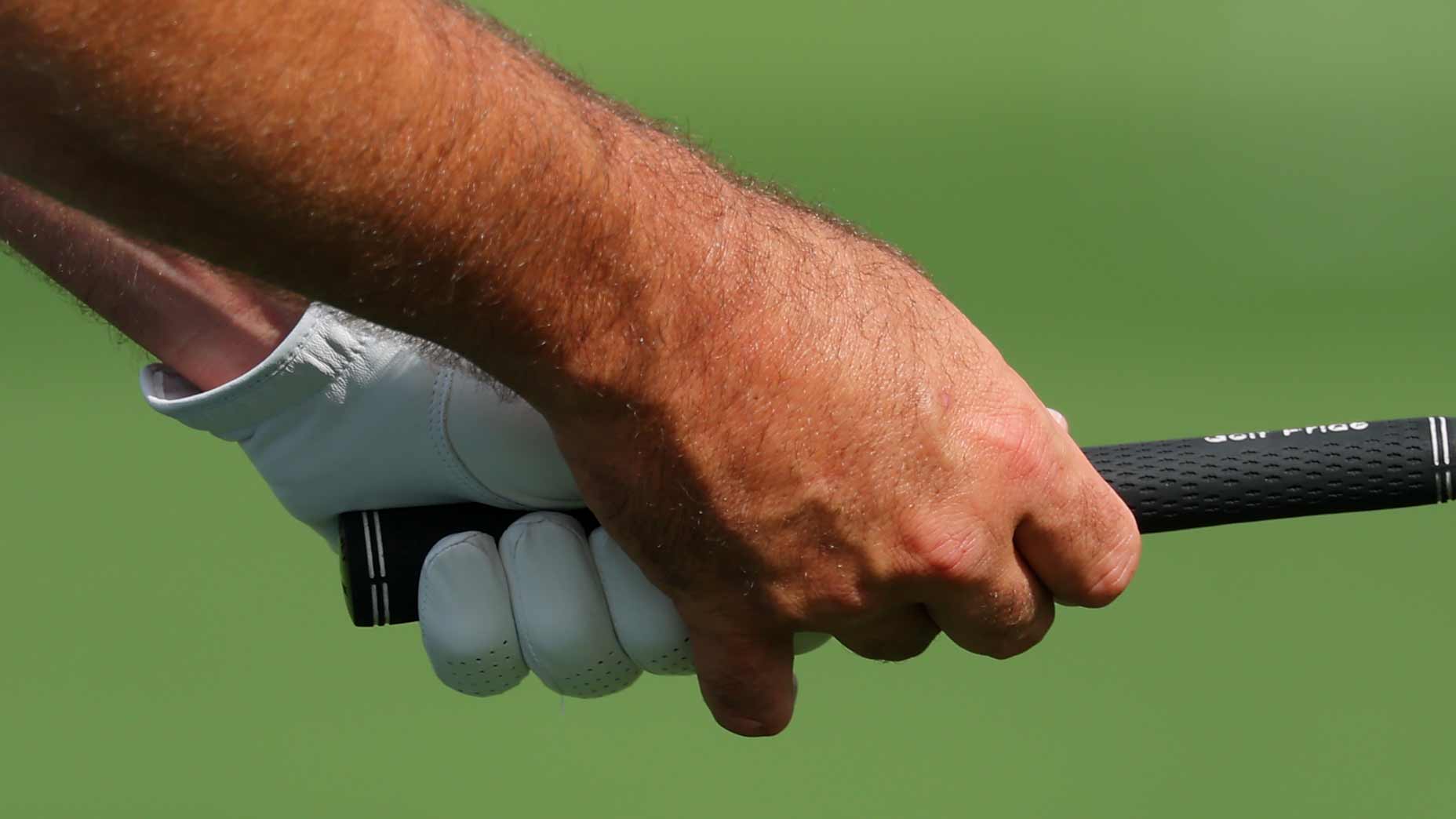
When trying to find out which grip size is best for you, we look for certain things that may lead us to recommend something different. I personally like to see how the club rests in your main hand in a full grip (this is your left hand for righties and your right hand for lefties).
The main thing I’ll look for is the distance between your fingers and palm, and If I see that your fingers are digging into the palm, then a larger grip may be the better option. When this happens, it usually means the club wants to move around at some point in the swing, which will cause the player to grip the club tighter than recommended.
How Golf Pride is developing custom fitting for grips | Fully Equipped
The same goes for the opposite: if there is too much space between the palm and fingers, then we won’t have as much control of the golf club as we want, and you may need something smaller. Generally, I like to see your middle and ring fingers gently resting against the palm of your hand.
But the thing to remember is that nothing in golf is absolute, and everything is relative. This is where I feel the best way to find what works for you is through a process of elimination and trying various options on the course. You may also be a golfer who needs something between sizes, which is where adding additional layers of tape can come in.
Just know that anytime you start adding a bunch of layers of tape, you will start to change how that grip naturally feels versus a standard single layer of tape.
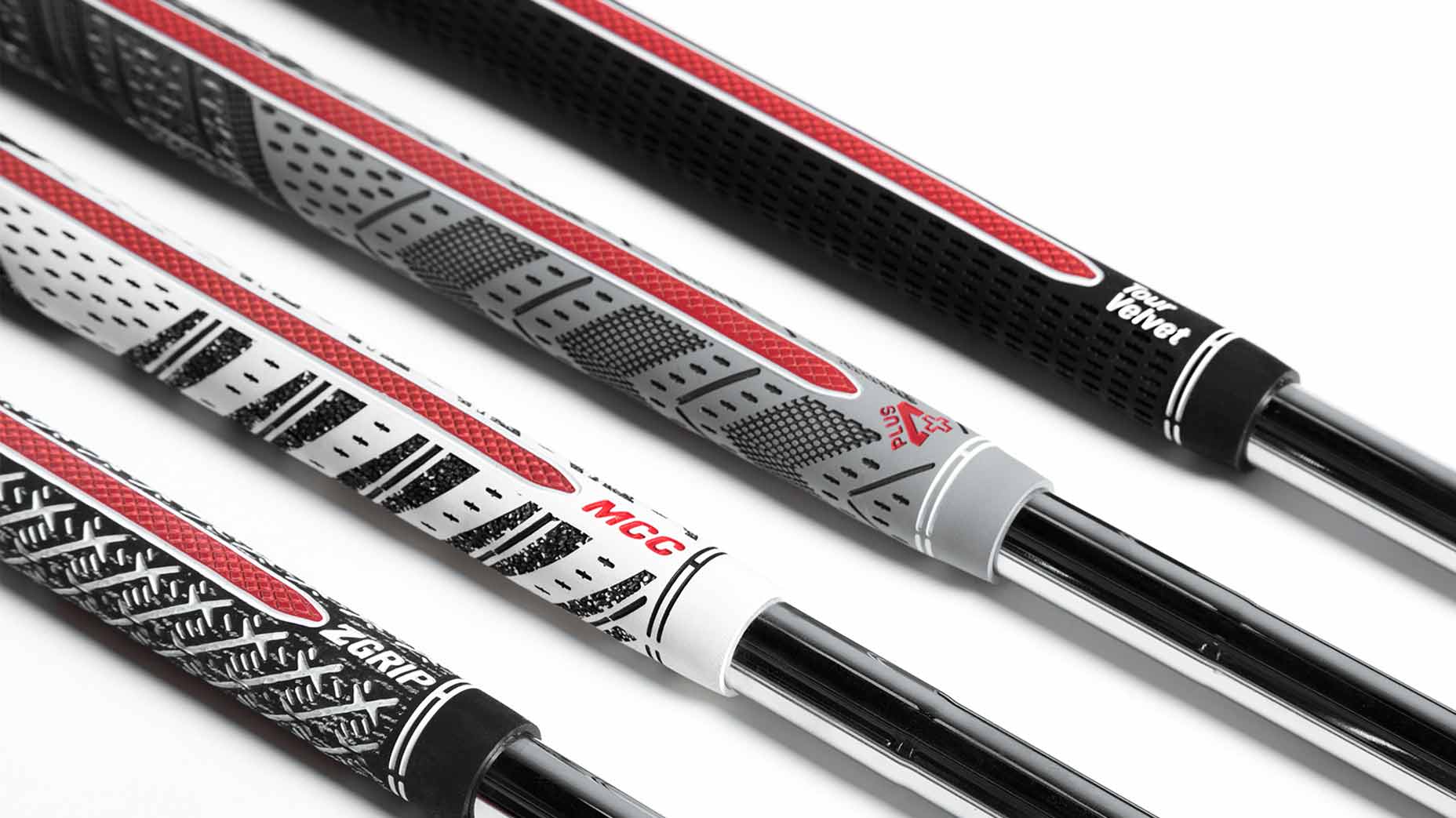
The grip texture is where it really gets personal. There are a ton of options when it comes to the grip composition and the different feels they’ll produce.
You have corded grips — Golf Pride Z-Grip, Crossline Cord, etc. — which generally make the grip firmer and heavier, but they also perform better in your wetter conditions than say a softer, tackier grip. They may not be as comfortable as these softer options, but they hold up well if you’re caught in the middle of a downpour.
The other side of the pillow (no pun intended) is your softer grips — Winn Dri-Tac, Golf Pride CPX, etc. — which will provide the ultimate comfort when gripping the club, but might not be ideal if playing somewhere with a lot of humidity or where it rains a lot.
Why your golf grips might be way more important than you realize
Softer grips might not last as long as your firmer grips and may need to be replaced more frequently.
I also like to recommend grips like these if you have any recurring hand pain (ie, arthritis), as they allow you to have lighter grip pressure for added comfort.
There are some very popular in-between options — Golf Pride Tour Velvet, Super Stroke REVL Player, etc. — that offer a nice feel and perform well in any weather condition. I feel this is why some of the grips in this category are always the most popular, as they are also easy to maintain and generally last the longest.
There are so many options out there, and it can be hard to tell which is best for you. While tester grips give you a hands-on feel, you may not know the true answer until you take them out to the course. That’s when I’ll recommend trying a few options all at once.

It’s easy, take your most used clubs (driver, 7-iron and a wedge) and try on a few different grips and/or sizes to get a true side-by-side comparison in real time. After spending a few rounds with them, you’ll be able to determine which you prefer and make a more informed decision before spending your money on a whole set of grips.
If all else fails and this isn’t a rabbit hole you want to go down, don’t be afraid to have these conversations with your fitter, as I can almost guarantee they’ve already been down them once or twice — I know I have.
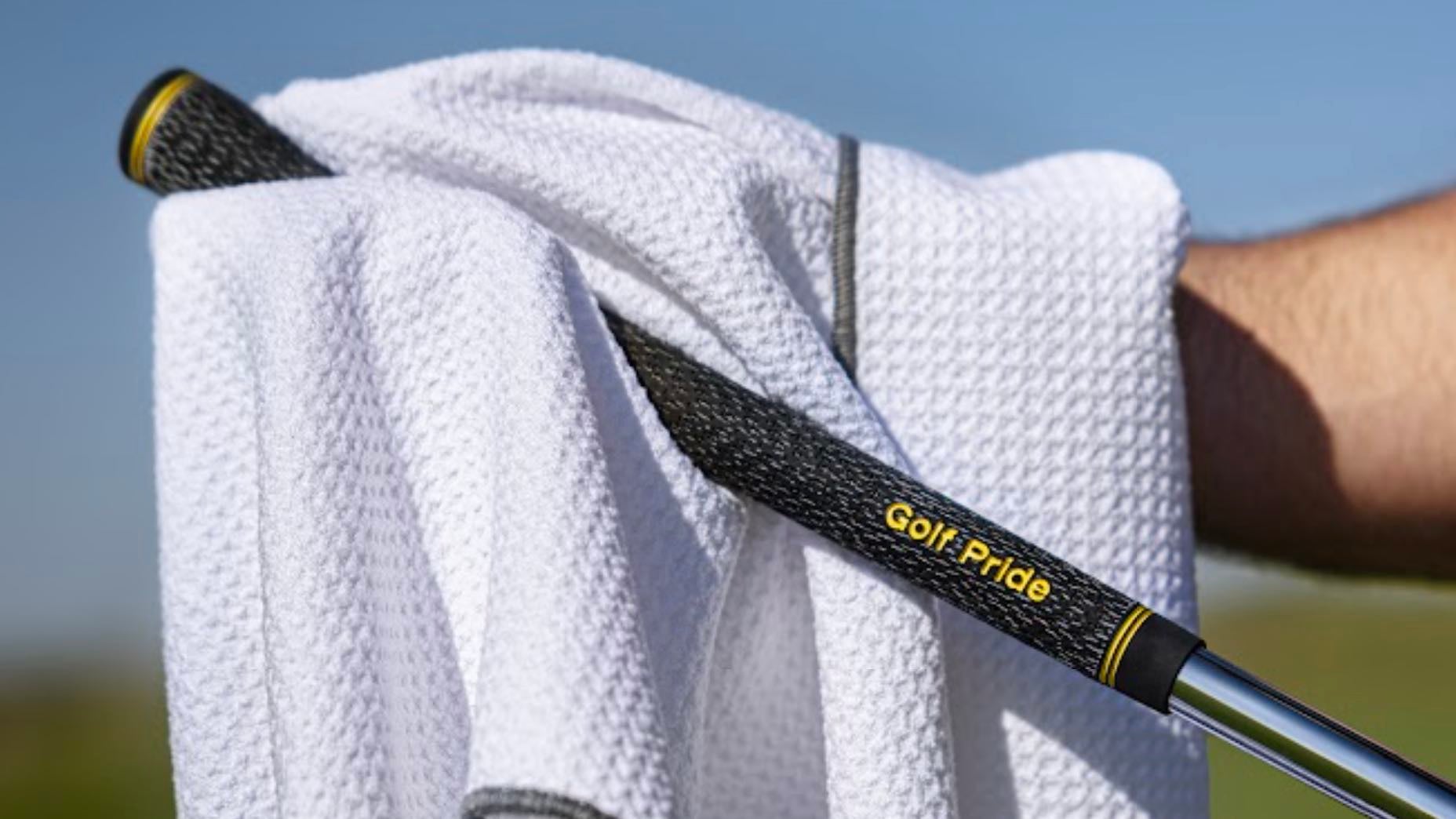
Before I leave you, my last recommendation is to clean your grips and know when to replace them regularly. If you’re able to see your reflection in the shine your grips produce, chances are they need cleaning and replacing in the very near future. Just like if you’re trying to drive on a wet road with tires that are low on tread, you’re putting yourself at risk of higher scores if you’re using a death grip to hold onto the golf club.
Want to find the best grips for your game in 2025? Find a club-fitting location near you at True Spec Golf.
The post The real way to choose the right golf grip, according to a fitter appeared first on Golf.